Dictionary

Dictionary, digital marketing

Is Trend-Driven or Evergreen Content Marketing Winning in 2026? 

What My Manuela Willbold Platform Data from 2025 Reveals About What Gets Eyeballs! In 2026, 61 % of UK marketers plan to expand their content marketing efforts, focusing on trend‑driven formats. But which type of content really delivers results? Visibility and engagement are becoming harder to earn as AI-generated content floods organic search results. Yet people are still searching online for real answers, inspiration, and practical tips. On My Manuela Willbold Platform, I analysed my highest-performing content from 2025 to understand what genuinely drives views, clicks, and sustained audience engagement — beyond automated trend-chasing and fleeting hype. Here’s what my review reveals and why it matters in content marketing in 2026:   Practical Guidance Wins: Making Money Online in Germany Practical, actionable guidance consistently outperforms hype or flashy trend content. Interest in earning money online in Germany has surged, reflecting growing demand for financial independence and supplementary income opportunities. This trend aligns with broader behaviour in the UK, where 39% of adults now have at least one side hustle or online income stream, up from previous years as economic pressures and digital opportunities expand (Source: Finder, 2025). My guide on How to Make Money Online in Germany reached over 107,000 impressions and 2,500 clicks on Google alone — demonstrating that content offering realistic, detailed, and actionable strategies resonates deeply with audiences actively seeking ways to earn online beyond traditional employment. Curiosity Drives Engagement: Exploring Alternative Search Engines Search behaviour is evolving, with users increasingly looking beyond traditional search platforms and seeking informative content that explains why and how alternative tools work. Although Google still dominates, holding around 93% of the UK search engine market share in 2025, emerging AI-powered search tools and privacy-focused engines are gaining traction as users explore diversified ways to find information (Source: klatch.co.uk). My guide reviewing the Top Alternative Search Engines to Google generated 123,000 impressions, showing that audiences actively engage with content that explores emerging trends and provides actionable insights, even in niche or technical areas. This performance underscores the ongoing value of curiosity-driven, educational content in helping readers understand the changing landscape of search, choice, and online discovery. Practical Resources: Guest Posting Sites for Visibility For creators and marketers, building authority and online reach depends on accessible, structured resources that simplify complex tasks. Guest posting remains one of the most effective strategies for increasing online visibility, with 60% of marketers reporting it as their top link-building tactic and 73% seeing measurable traffic growth from well-planned campaigns (Source: OutreachBoard, 2025). My Guest Posting Sites List achieved 92,000 impressions, showing that audiences actively engage with content that provides practical, actionable resources. This performance underscores the ongoing value of structured guides and directories in helping creators establish authority, expand reach, and sustain engagement in competitive digital markets. Shape the Digital Marketing Trends That Matter in 2026 Marketing trends are shaped by real insights, practical strategies, and authentic voices. I believe the future of digital marketing is human-led storytelling, even as AI-generated campaigns become more widespread. Real voices and human expertise will lead to real results, creating lasting engagement. Turn My 2025 Insights Into Smarter 2026 Marketing Success I’m here to help you position your brand alongside the UK’s most searched and high-performing digital marketing content in 2026. From evergreen guides on remote working to trend-driven marketing strategies, I make it easy for your message to reach the right audience, spark meaningful engagement, and build long-term visibility. I invite you to share your marketing insights, emerging strategies, or digital economy trends on my Trendspotter page. Join the stories shaping 2026, showcase your expertise, and connect with UK marketers and professionals in a genuine, authentic way. Submit your content today and let your marketing voice be heard.
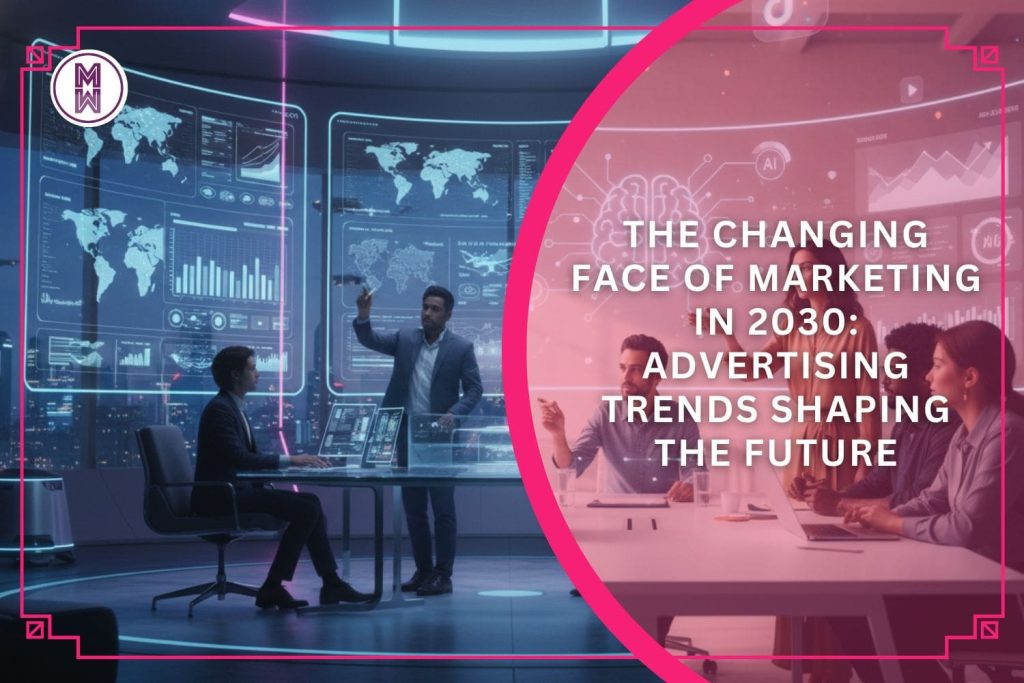
Digital marketers collaborating in a futuristic workspace with AI tools, holographic data, and creative content visuals — representing the future of marketing in 2030.
Dictionary, digital marketing, digital PR

The Changing Face of Marketing in 2030: Advertising Trends Shaping the Future

I had the pleasure to unpack the powerful shifts redefining marketing in 2025 and beyond with the team at the Sun Dog AI Consultancy recently.  In this podcast episode we explore topics ranging from AI marketing innovations to evolving consumer values and behaviours and how these changes will likely transform the ways in which small and medium-sized businesses connect with audiences and consumers.  We unravel how traditional advertising is fading as digital storytelling, influencers, and interactive content dominate. The real advantage for SMEs? Agility. With AI-driven insights and automation, even smaller teams can now personalise campaigns and scale faster than ever before.  But technology isn’t everything. Consumers are increasingly seeking authenticity, transparency, and meaningful experiences. Building trust and human connection will become the strongest form of marketing currency as we establish.  The time is now to embrace these changes with AI tools to enhance—not replace—your creativity and unique voice, and focus on what makes your brand human, purposeful, and real. 1. The Evolution of Advertising Models Traditional advertising is giving way to more dynamic, data-driven experiences. Instead of broad campaigns on TV or print, businesses are embracing “shoppable” storytelling, influencer partnerships, and digital content that directly link engagement to conversion as ad fatigue and scepticism drive users toward ad-free or “attention-light” environments.  Our Takeaway: For SMEs, this opens opportunities to reach targeted audiences more affordably through niche online communities via social media or streaming channels. As the CMO at ClickDo I can support brands with niche marketing strategies and content creation and distribution.  2. AI and Data Redefine Marketing Performance Analysis Artificial intelligence is transforming how ads are created, optimized, and delivered. AI tools can now analyse audience insights, generate content variations, and personalise messaging at scale. Building workflows where AI and human creatives collaborate to generate and test high-volume, platform-tailored content quickly can make all the difference.  Our Takeaway: For SMEs, AI levels the playing field — making advanced analytics and automation accessible without enterprise budgets, however the interpretation and implementation is a key factor in any successful marketing campaign. I can offer support with effective branding and content strategies building on data insights.  3. Consumer Expectation Shifts Today’s customers want meaningful, transparent, and value-driven interactions. They are more privacy-conscious and expect authenticity from brands. Brands that focus on trust-building, sustainability, and customer experience will stand out among others if they meet the expectations when delivering.  Our Takeaway: Identifying the unique brand voice and persona is key to creating (video) marketing content that converts and boosts follower growth. I can offer support with tailored branding and content strategies across micro-communities that matter in the respective industry.   4. Emerging Content Formats in Marketing As more AI tools emerge that make content creation easier and faster, it becomes vital to diversify content formats like short-form video that’s especially popular on TikTok and Instagram or conversational ads on YouTube and Facebook.   Our Takeaway: Creating loyal communities and interactive content that motivates users to engage virtually with your brand will drive conversion. I can offer support with creating interactive content for various channels that’s tailored to the individual brand voice and persona.   5. Actionable Steps to Prep for Marketing in 2030 Use suitable AI tools for content creation, analytics, and campaign automation, but ensure you train them effectively to reflect your brand voice and persona.  Focus on transparency and ethical marketing to build customer trust and reflect this in what you deliver.  Prioritise community-led marketing — nurture real engagement, not just impressions, connect with followers and subscribers to build authentic relationships that last.  In short, the future of marketing belongs to brands that combine data intelligence with creativity and authenticity. Brands have an exciting opportunity to innovate faster, connect deeper, and grow smarter than ever before, but they need to use the latest technology based on their unique requirements and profile.  I believe that customised marketing works best so if you look for inspiration for your next campaign, connect with me to brainstorm ideas and opportunities!    

spring-cleaning-definitions-facts-for-marketing-campaigns
Dictionary

Spring Cleaning Insights for Marketing Campaigns

🧹 Spring Cleaning in the UK: Definitions & Key Insights  Spring cleaning is a seasonal practice in the UK, traditionally occurring in early spring (March–April), involving a thorough and often deep clean of one’s living space, typically beyond routine housekeeping. It includes detailed tasks such as decluttering, dusting hard-to-reach areas, washing fabrics, and cleaning overlooked surfaces (e.g., skirting boards, windows, appliances).  In contemporary usage, spring cleaning has evolved into:  A holistic well-being ritual, promoting mental clarity, reduced stress, and a renewed sense of control.  An expression of eco-consciousness, with a growing preference for sustainable, non-toxic, and water-efficient cleaning products.  A reflection of simplified lifestyles, focusing on essential tools and minimalist routines.  An increasingly year-round behaviour, with many choosing to clean regularly rather than seasonally.  While rooted in tradition, the modern interpretation of spring cleaning encompasses not just physical hygiene but emotional, environmental, and even technological dimensions — including the adoption of automation tools like robotic cleaners.  Spring Cleaning in Marketing Spring cleaning offers a great seasonal topic that can be utilised in marketing in various ways. Many different business niches can benefit from incorporating spring cleaning into their content and marketing campaigns to make it topical, trending and relevant for their services. Especially business that offer seasonal services like property maintenance and renovation, car maintenance, outdoor sports or activities etc. can highlight their seasonal offers in connection with spring cleaning. The below trends and insights can help with preparing seasonal campaigns that trigger specific target groups and they can also help to rank content for specific keywords. They can also serve as a basis to conduct further surveys or research to publish reports that are picked up by media, journalists and others for further referencing and backlinking or that can be used for press releases. 📊 Participation & Interest in Spring Cleaning Prevalence: A significant majority of UK households engage in spring cleaning annually. A survey in 2022 revealed that over 93% of households undertake a spring clean at least once a year, with the highest commitment observed among individuals aged 55–64. Source: Thane UK – Blog.  Perception: A YouGov survey found that 79% of UK adults interpret “spring clean” as a rigorous clear-out rather than a light tidy-up. Source: YouGov  Timing: March and April are the preferred months for spring cleaning, with 40% initiating in March and 35% in April.   Typical Activities: Tasks often undertaken during spring cleaning include washing curtains (36%) and dusting skirting boards (33%). Source: The Sun  Stress Factors: Nearly half of Britons experience stress related to household chores, with oven cleaning being particularly dreaded. Source: psychreg.org  Interest: People search online mostly for terms like:  Spring clean (1K UK/12K global search volume) Spring cleaning checklist (260 UK/6K global search volume) How to spring clean (30 UK/310 global search volume)  (Data retrieved via semrush.com on the 16.05.25)  (Google Trends snapshot Feb-May 25 for “spring cleaning” searches)  Spring Cleaning Preferences & Trends:   There’s a growing demand for sustainable cleaning products. Over two-thirds of UK adults who clean the home are interested in products designed to reduce water usage. Additionally, 60% of UK consumers are willing to pay a premium for environmentally friendly alternatives to everyday cleaning products. Source: Jani King   The UK cleaning industry is experiencing growth in automation and robotics. Cleaning robots are becoming more common in both commercial and residential settings, driven by the demand for operational efficiency and cost-effectiveness. Source: Jani King  Retail sales in the UK saw a significant boost in April 2025, driven by sunny weather and the timing of the Easter holiday. Spending in garden centres increased by 25%, and DIY sales rose by 4%, indicating a surge in home improvement and cleaning activities. Source: The Times   If you want to share more information related to this topic with me, feel free to get in touch.   Disclaimer: all the information provided was correct at the time of publication and was collected with the help of accredited tools and AI.

meaning-of-citation
Dictionary

What is the Meaning of the Term “Citation”

In the realm of Search Engine Optimisation (SEO), a citation refers to any online mention of a business’s Name, Address, and Phone Number—commonly abbreviated as NAP.  These mentions can appear across various platforms, such as business directories, websites, social media networks, and review sites.  Citations play a pivotal role in enhancing a business’s visibility in local search results by validating its existence and providing essential contact information to both search engines and potential customers. Types of Citations Citations are generally categorised into two types: 1. Structured Citations These are listings where a business’s NAP information is presented in a consistent format, typically found in online directories such as Yelp, Yellow Pages, or TripAdvisor. Structured citations often include additional details like business hours, website URLs, and customer reviews. 2. Unstructured Citations These occur when a business’s NAP information is mentioned informally on various web pages, such as blog posts, news articles, or social media posts. Unlike structured citations, unstructured citations may not follow a consistent format but still contribute to a business’s online presence. Importance of Citations in SEO Citations are a cornerstone of local SEO strategies for several reasons: Enhancing Local Search Rankings Search engines like Google utilise citations to assess a business’s credibility and relevance in a specific geographic area. Consistent and accurate citations across multiple platforms signal to search engines that a business is legitimate and trustworthy, thereby improving its chances of ranking higher in local search results. Building Consumer Trust Accurate citations ensure that potential customers can easily find and contact a business. Inconsistent or incorrect NAP information can lead to confusion, eroding consumer trust and potentially driving customers to competitors. Driving Web Traffic Citations on reputable websites can serve as referral sources, directing interested users to a business’s website or physical location. This increased visibility can lead to higher web traffic and, ultimately, more sales or inquiries. The Impact of Citation Consistency Maintaining consistent NAP information across all platforms is vital for optimal search engine performance. Inconsistent citations can confuse both search engines and users, leading to a decline in local search rankings. Citation inconsistency is a primary factor affecting local rankings, highlighting the importance of uniformity in business listings and citation building. For further citations and link-building strategies, explore this list of top guest posting sites. Data and Statistics on Citations Recent data underscores the significance of citations in the digital landscape: Best Practices for Managing Citations To maximise the benefits of citations, businesses should adhere to the following best practices: 1. Ensure NAP Consistency Regularly audit all online listings to confirm that the business’s name, address, and phone number are consistent and accurate across all platforms. 2. Leverage Reputable Directories Submit the business’s information to high-authority directories relevant to the industry and location to enhance credibility. 3. Monitor and Update Listings Keep track of all citations and promptly update them if there are any changes in business information, such as relocation or rebranding. 4. Encourage Customer Reviews Positive reviews on platforms where the business is cited can boost its reputation and influence search engine rankings. 5. Utilise Data Aggregators Employ services that distribute business information to various directories and platforms, ensuring widespread and consistent citations. Additional Insights: In conclusion, citations are a fundamental element of local SEO. They serve as digital references that validate a business’s existence and enhance its visibility in local search results. By maintaining accurate and consistent citations, businesses can improve their search engine rankings, build consumer trust, and drive more traffic to their websites and physical locations. Click here to learn about Top SEO Tools & Features to help you build your citation or link-building strategy.

meaning-of-remote-working-job
Dictionary

What is the Meaning of the Term “Remote Working Job”

A “Remote Working Job” refers to a professional role that allows individuals to perform their duties outside of a traditional office or work environment by working from a home office or remotely. This arrangement enables employees to earn money online and work from various locations, such as their homes, coworking spaces, or anywhere with internet access and digital devices. The primary mode of communication and collaboration in remote working relies on digital tools, such as video conferencing, email, instant messaging and project management software. Key Characteristics of Remote Working Jobs: 1. Location Independence: Employees are not tethered to a specific office location, granting them the flexibility to choose their workspace. 2. Digital Communication: Utilisation of digital platforms to facilitate communication, collaboration, and task management. 3. Flexible Scheduling: Many remote roles offer flexible work hours, allowing employees to manage their time effectively. 4. Diverse Employment Types: Remote positions can be full-time, part-time, freelance, or temporary, catering to various professional needs. They can also include side hustles. Remote Working Trends in Europe, the UK, and London: Benefits of Remote Working Jobs: Enhanced Productivity: Remote workers are 35-40% more productive than their in-office counterparts. Improved Work-Life Balance: In the UK, a significant majority of younger workers favour hybrid or remote working arrangements. According to Deloitte’s 2023 Gen Z and Millennial Survey, over three-quarters of UK Gen Zs (77%) and millennials (71%) would consider seeking new employment if required to work full-time in the office. Cost Savings: Remote working offers significant financial benefits, with even a single day of home working each week leading to notable savings. On average, individuals can save £5.73 per day, which amounts to £22.92 to £28.65 per month and an impressive £297.96 per year. These savings stem from reduced commuting costs, lower daily expenses, and fewer work-related expenditures, highlighting the substantial cost-saving advantages of remote jobs for employees. Access to a Broader Talent Pool: Remote work allows employers to recruit talent without geographical constraints, leading to more diverse and skilled teams. Challenges Associated with Remote Working Jobs: Isolation: Lack of in-person interaction can lead to feelings of loneliness among employees. Communication Barriers: Relying solely on digital communication can sometimes result in misunderstandings or information gaps. Work-Life Boundary Management: Without a clear separation between work and personal life, some individuals may struggle to disconnect after work hours. The Future of Remote Working: The landscape of remote work continues to evolve. While some organisations are encouraging a return to traditional office settings, others recognise the benefits of maintaining flexible work arrangements. In the UK, the government supports flexible work arrangements, citing increased productivity and reduced stress. Older employees with families prefer remote work for its convenience, while young workers face challenges with isolation and lack of mentorship. A recent survey by Ronspot revealed that 44% of UK office workers fear losing the flexibility of remote work. Additional Research: In conclusion, a “Remote Working Job” offers flexibility and autonomy, enabling individuals to perform their professional responsibilities outside of traditional office environments. As technology advances and workplace cultures shift, remote working is poised to remain a significant component of the modern employment landscape, especially in regions like Europe, the UK, and London. But there are clear pros and cons for this work model as with any other model.  

Scroll to Top