Author name: Manuela Willbold

n8n-vps-hosting-digital-assistant-for-marketing-agencies
digital marketing, Web Hosting

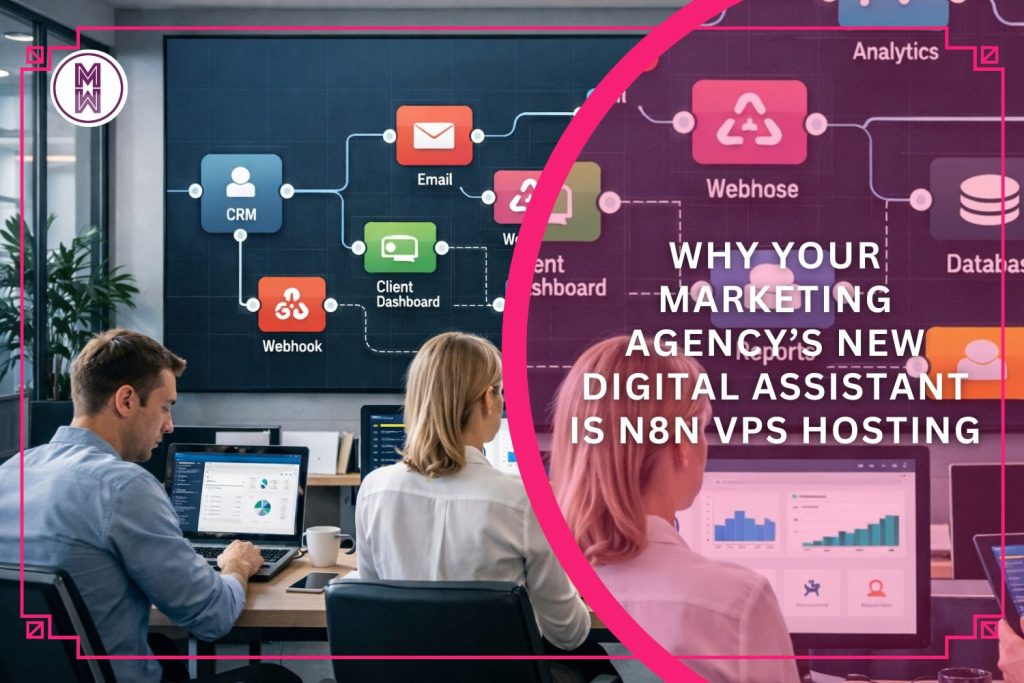
Why your Marketing Agency’s new Digital Assistant is N8N VPS Hosting

If you run a digital agency, you know how quickly operations can get swamped by repetitive tasks — new orders, customer emails, data exports, inventory updates, CRM changes, marketing campaigns, reporting, and more. What if much of that could happen automatically, reliably, and behind the scenes — freeing your team to focus on strategy and growth? That’s exactly what n8n VPS hosting makes possible and I want to explain what n8n is, how a VPS hosting setup helps deliver on its promise, and why SeekaHost’s n8n VPS hosting is an especially smart fit for agencies considering the constantly evolving face of marketing. What is n8n & how does it work? n8n is a workflow automation platform. It lets you connect apps, services, and tools together so that tasks that once required manual effort can run automatically. Think of it like a “digital assistant” for your internal processes. No coding needed (unless you want). With a visual, node-based interface, you can build workflows — or “recipes” — by dragging and dropping modules. That means even non-developers (e.g. project managers, operations staff, marketing team members) can set up automations according to freecodecamp.org. Connect nearly anything. n8n supports integration with hundreds of apps and services — from CRMs and email platforms to e-commerce tools, databases, payment gateways, analytics and messaging services. Flexible logic, customisable workflows. Unlike simpler automation tools, n8n lets you build complex workflows with branching logic, conditionals, loops, data transformations — ideal for real-world business needs like order processing, lead nurturing, data syncing, and more as AltexSoft explains. In short: n8n gives agencies a central hub to automate and streamline almost any repetitive task — from marketing to administration to fulfilment — without getting bogged down in spreadsheets or manual data juggling. Why hosting n8n on a VPS matters (vs simpler setups) You could run n8n from a local PC or a shared server — but that comes with severe drawbacks for serious businesses. Hosting on a VPS (virtual private server) solves many of them. Here’s why that matters for agencies: Reliability and uptime: A VPS gives you stable performance and a public IP, which means your automations (webhooks, scheduled tasks) run reliably 24/7. No more “my PC was sleeping/offline, so the order-processing didn’t run.” Security and control: With VPS hosting you get full control over your server environment — better security, data privacy, and the ability to integrate private APIs or internal tools. For agencies handling client data or dealing with customer info, that control is often essential. Scalability: As your business grows — more clients, more customers, more workflows — a VPS lets you upgrade resources (CPU, memory, storage) to match demand. This avoids performance bottlenecks and ensures automation stays smooth. Professional setup without DIY pain: Compared with self-hosting (on local machines or bare-metal), a VPS removes the headaches of port forwarding, dynamic IPs, hardware failures, and home-internet outages. That’s a big deal for mission-critical automations. For marketing agencies offering virtual marketing, those differences aren’t optional — they define whether your automation runs smoothly or fails at the worst moments. Why n8n VPS hosting is often a better fit than “plain” VPS hosting for agencies Running a “normal” VPS and hosting a website or store is great — but it doesn’t deliver the same advantages as a VPS tuned for n8n. Here are key distinctions in terms of what you need: What you need as an agency What n8n VPS hosting gives you Automations across multiple tools (CRM, orders, emails, marketing) A powerful orchestration platform connecting all tools without manual effort Handling lots of repetitive tasks reliably (order-sync, inventory, notifications, reporting) Workflows that run automatically, triggered by events or schedules, even outside business hours Data consistency and control, especially if working with multiple clients Self-hosted environment giving full control over data location and privacy Flexibility to grow and evolve business logic Ability to build complex workflows, adapt logic, integrate new systems — without being locked into rigid templates Cost-efficiency and avoiding recurring high fees for many tasks With a VPS, avoid per-workflow or per-execution costs common in managed/hosted solutions. In other words, n8n VPS hosting isn’t just “another server” — it’s a dedicated automation machine built for the real-world demands of agencies and online shops. Recent automation trends that make this more relevant than ever Automation everywhere: More businesses are embracing automation not just for marketing or IT, but for the full business lifecycle — order processing, customer support, billing, analytics, reporting, even AI-powered agents. n8n is increasingly used to orchestrate workflows across all departments. Complex workflows beyond simple triggers: Modern e-commerce and agency operations often involve branching logic, conditional flows (e.g. different workflows for different customer types or order sizes), data enrichment, API integrations, and more. Tools like n8n make these possible without huge engineering overheads. Shift toward data control, privacy and self-hosting: With increasing attention on data protection and compliance (GDPR, client confidentiality), many agencies and sellers prefer self-hosted automation rather than cloud-only SaaS. n8n’s self-hosted mode on a VPS gives them that control. Cost pressure + need for efficiency: As competition intensifies, businesses want to do more with less — automate manual workflows, reduce errors, cut overheads. n8n on VPS offers a cost-effective way to scale automation without massive recurring costs. Given these trends, investing in automation infrastructure — not just a website server — can give agencies a real competitive edge. Why SeekaHost’s n8n VPS Hosting is a strong choice for your Agency SeekaHost offers a VPS environment suited to running n8n — giving you the benefits of a stable server plus the power of n8n automation. For an agency, that means you get a hosted automation platform where you control data, workflows, integrations, and scale — but without the overhead of building and maintaining your own infrastructure. Instead of paying per workflow or per execution (like some cloud-based automation tools), you get a flat-rate server you control — which often ends up being more cost-effective, especially for high-volume operations. Using SeekaHost’s n8n VPS

why-serious-content-creators-use-vps-hosting-instead-of-cheap-shared-Hhosting.
Web Hosting

Why Serious Content Creators Use VPS Hosting Instead of Cheap Shared Hosting

Creators today operate like full digital businesses.  Their websites, portfolios, online shops, newsletters, and landing pages must load instantly and stay online no matter how many visitors arrive.  Cheap shared hosting might look attractive at the beginning, but it quickly becomes a growth blocker.  Serious creators and influencers know that their digital presence is an extension of their brand, and they choose infrastructure that reflects their professionalism. Cheap Hosting Damages Credibility the Moment Traffic Hits Shared hosting places your website on the same server as hundreds of others. When one site overloads the system, everyone suffers. Slow loading, downtime, random errors, and unstable performance all make a creator look amateur.  Followers who click through from Instagram, TikTok, or YouTube expect instant access. If your homepage takes five seconds to load, most visitors leave before seeing your work. VPS hosting solves this problem because your resources are dedicated, predictable, and unaffected by strangers on the same server. Speed Directly Affects Conversions, Sales, and Brand Perception A creator’s website is often the first real encounter a potential client has with their brand. Fast-loading pages feel premium and trustworthy. Slow pages feel low-budget and unreliable. Whether you sell digital products, offer services, run a membership site, or showcase your portfolio, speed influences how professional your brand appears.  VPS hosting unlocks higher performance by giving you more processing power, better memory allocation, and full control over optimization. This means smoother checkout flows, faster landing page rendering, and higher conversion rates. Creators Need Control, Flexibility, and Stability to Scale Shared hosting limits what you can upload, which apps you can run, and how much traffic you can handle. Serious creators need freedom to install plugins, build custom pages, use advanced analytics, set up caching, or run heavy visual content.  VPS hosting gives you the control you need without forcing you into the complexity of dedicated servers. You get a private environment, scalable resources, and the flexibility to grow your digital ecosystem without restrictions. Intermission: A Reliable Hosting Partner Makes Growth Easier Many creators choose hosting providers that support their long-term goals rather than short-term savings. Services like Host-World VPS Hosting offer stability, fast loading, and the ability to scale as a creator’s audience grows. When your infrastructure is reliable, you spend less time fixing performance issues and more time creating. It also protects revenue during traffic spikes from viral posts or major collaborations. Security Is Non-Negotiable for Modern Creators Shared hosting exposes websites to risks because one vulnerable site can compromise many others on the same server. For creators selling digital products, collecting emails, or running payment pages, security is essential. VPS hosting isolates your environment from other users on the server, reducing risks and giving you full control over firewalls, updates, and backups. This protects your data, your audience, and your reputation. Choosing VPS Means Choosing Serious Growth Creators who want to move from hobby to real business understand that the foundation matters. VPS hosting gives them the performance, security, and stability required to build a brand that lasts. It is not just a technical upgrade. It is a strategic decision that supports long-term growth, credibility, and revenue.

how-influencer-marketing-boosts-brand-growth
digital marketing, digital PR

How Influencer Marketing Boosts Brand Growth

In this digital age of connectivity, influencer marketing is one of the most powerful tools used to build a brand, drive engagement and create long-term customer relationships. Unlike traditional advertising, which often struggles to cut through the noise of online content, collaborating with influencers allows brands to connect with audiences through trusted, relatable voices. The explosion of social media and the proliferation of content creators across all niches have given businesses of different sizes unprecedented access to highly engaged communities. Whether it’s a global fashion brand working with a style blogger or a local café partnering with a food content creator, brands can now tap into the trust and rapport that influencers have built with their followers over the years. This shift in marketing dynamics is not just about short-term sales boosts; it involves long-term brand positioning. Influencer marketing combines the personal touch of word of mouth with the scale of digital platforms, making it perfect for today’s consumers, who value authenticity, transparency and relatable storytelling. By working with influencers strategically, brands can enter new markets, reinforce their values and position themselves in cultural conversations that matter to their target audience. In this article, we’ll look at how influencer marketing works, how to choose the right partners, and how to build a strategy that fuels sustainable growth. What is Influencer Marketing and Why Does It Work? At its core, influencer marketing is the practice of partnering with individuals who have built a significant and engaged following – whether on Instagram, YouTube, TikTok, LinkedIn or personal blogs – to promote a brand, product or service. These individuals are often seen as experts, trendsetters or relatable peers in their niche. Their recommendations carry weight because they come from an established relationship of trust with their audience. Influencer marketing and particularly AI-First influencer marketing work so well because of the psychology of social proof. People are more likely to believe and act on the advice of someone they trust, especially if that person seems like them or shares their interests, than they are to respond to a faceless ad. In a world where consumers are bombarded by brand messages daily, influencer endorsements cut through the noise by being organic, personal and relevant. Plus, influencer marketing aligns with how people consume media today. Rather than passively absorbing one-way communication, audiences actively choose whose content to follow, interact with and share. This voluntary engagement creates a fertile ground for brand messages to be woven into the influencer’s content. As a result, campaigns driven by influencers often achieve higher engagement rates, stronger recall and more meaningful conversions than traditional ads. Choosing the Right Influencer for Your Brand Not every influencer will be right for your brand, even if they have large followings. The success of an influencer marketing campaign depends on aligning your brand with voices that resonate authentically with your target audience. When evaluating potential partners, start with audience demographics – age, gender, location, interests – and make sure they match the customers you want to reach. An influencer’s reach is only valuable if their followers are potential buyers of your product or service. Beyond demographics, engagement rates are key. A smaller influencer with a highly engaged audience will drive more meaningful results than a mega-influencer with millions of passive followers. Look at likes, comments, shares and even the tone of interactions. High engagement means trust and loyalty, which is more valuable than reach alone. Relevance and authenticity are equally important. The influencer’s content style, tone and values should align with your brand identity. An influencer who genuinely loves your product and can integrate it into their content will deliver more persuasive messaging than one who just posts a transactional endorsement. This is why reviewing past collaborations, content quality and how these influencers interact with their audience is essential before committing to a partnership. Building a Strong Influencer Marketing Strategy Jumping into influencer marketing without a plan will result in wasted resources and missed opportunities. A successful campaign starts with defining your primary objectives. Are you looking for brand awareness, website traffic, lead generation or direct sales? Your objectives will determine your influencer selection, campaign messaging and measurement metrics. Once your objectives are set, choose influencers strategically. For awareness campaigns, you might prioritise reach; for conversions, you may focus on micro- or mid-tier influencers with high engagement in your niche. After selection, invest time in collaboration and content planning. Influencer marketing works best when it feels natural, so co-creating content that reflects both the influencer’s style and your brand message is essential. Budget is another key decision — influencer partnerships can range from gifted collaborations with nano-influencers to multi-channel, long-term contracts with top-tier creators. Your budget should reflect your goals and the level of partnership you want to build. Finally, establish clear guidelines, deliverables and timelines, but let influencers have creative freedom to create content that will genuinely resonate with their audience. Influencer Content that Converts The quality and authenticity of the content will make or break an influencer campaign. Audiences can spot overly scripted or forced promotions a mile off, and it can damage both the influencer’s credibility and your brand’s reputation. The best collaborations give influencers creative freedom, trusting they know what will engage their audience. Storytelling should be at the heart of your approach. Rather than just showing a product, ask influencers to share personal experiences, demonstrate how the product fits into their life or highlight a specific problem it solves. This narrative-driven approach makes the content more memorable and builds an emotional connection with potential customers. Visuals are important too, especially on platforms like Instagram and TikTok, where aesthetics drive engagement. High-quality imagery or video production, on-brand colour schemes and consistent visual identity help to reinforce your brand message. And while creativity is key, every piece of content should have a clear call to action, whether it’s visiting your website, using a discount code, signing up to a newsletter or following your account, guiding interested viewers to the next step. Using Multiple Platforms for Maximum Impact One of

spring-cleaning-methods-for-marketers
digital marketing

10 Creative Spring Cleaning Methods for Marketers To Boost Campaigns!

Spring is a season of renewal, transformation, and clarity—concepts that resonate deeply with both personal habits and business strategies. Just as households embrace spring cleaning to refresh their living spaces, businesses can adopt the same philosophy to revive branding, sharpen messaging, and deepen customer engagement. Using spring cleaning as a metaphor can provide a strong seasonal framework for your marketing campaigns—one that feels both relevant and emotionally resonant. Here’s how to do it with depth and intention: 1. Audit and Reorganise Your Business Offerings Spring cleaning starts with evaluating what you have and deciding what stays and what goes. Apply this principle to your services, products, or packages. Businesses should regularly review what they offer to ensure everything aligns with their current goals, customer needs, and market trends. Focus on identifying: Services that are underperforming or no longer relevant. Products that need updating, restocking, or retiring. Opportunities to streamline or bundle offers in ways that add customer value. This “cleansing” phase can also help you spot gaps—areas where something new might be introduced to add freshness to your brand’s direction. 2. Refresh Your Brand’s Visual and Digital Identity A seasonal refresh of your brand’s look can breathe new life into your business and enhance its visual appeal. Just as homes come alive with fresh blooms and lighter tones in spring, your brand should reflect that same vibrant energy.  Revitalize your visuals and attract eco-conscious customers by pairing your spring makeover with thoughtful, sustainable coupon marketing, offering value while reinforcing your commitment to a greener future. This can include: Updating your brand colour palette with softer, brighter seasonal tones. Introducing refreshed typography, icons, or subtle design upgrades across digital assets. Revisiting your logo or brand imagery to ensure it still resonates with your mission and audience. This visual renewal helps communicate that your business is forward-looking, actively engaged, and in tune with the environment and your audience’s mindset. 3. Update and Organise Your Website and Social Media Platforms Your website and social media pages are your digital storefronts — and like any storefront, they can become cluttered or outdated over time. Spring is the perfect season to refresh the user experience by ensuring every piece of content, link, and layout is clean, functional, and aligned with your brand message. With the help of no-code development tools, you can easily streamline updates and enhancements without the need for complex coding, making your digital spring cleaning both efficient and sustainable. Areas to prioritise: Remove outdated announcements, seasonal graphics, or broken links. Reorganise menus and navigation to improve ease of use. Update bios, contact details, product descriptions, and keywords. Introduce fresh content such as blog posts, FAQs, or landing pages. A clean, modern, and up-to-date digital presence enhances user trust and helps boost SEO performance. 4. Introduce Seasonal Messaging into Your Content Strategy Spring evokes feelings of clarity, simplicity, energy, and fresh beginnings — the perfect emotional palette to inspire your brand’s content. Harness these vibes across your written and visual messaging by incorporating personalized video marketing campaigns. Your seasonal messaging can revolve around: Encouraging customers to “clear the clutter” in their lives, businesses, or habits. Framing your offerings as a tool for renewal or refreshment. Highlighting transformation stories, goals, and growth opportunities. This kind of language can be used consistently in blog posts, social captions, newsletters, and product descriptions to build an emotionally compelling narrative. 5. Refine Your Email Marketing Campaigns Think of your email list as a closet—it needs periodic sorting. Take time this season to clean up your contact lists and improve how you communicate with your subscribers. Steps to consider: Segment your audience for more personalized, targeted content delivery. Clean your list of inactive subscribers to boost open rates and deliverability. Update subject lines, preview texts, and CTA buttons to align with spring themes. Craft campaigns that reflect new starts, personal transformation, or fresh deals. Spring-cleaned email marketing feels more intentional and can dramatically improve customer experience. 6. Create Campaigns That Promote Customer Self-Improvement Spring cleaning is symbolic of personal growth and change. Position your brand as a partner in helping customers simplify, reorganize, or elevate some aspect of their lives or businesses. Consider framing your product or service around: Time-saving benefits. Mental clarity or emotional relief. Organisation, productivity, or simplicity. Fresh starts, wellness, or self-care. When people feel your brand is helping them live better or work smarter, loyalty increases—and so does conversion. 7. Integrate Sustainability and Eco-Friendly Messaging Spring is also linked with nature, renewal, and sustainability. Integrating environmentally conscious messages into your campaigns adds value and aligns with customer values. To do this: Highlight sustainable practices within your business. Promote products or services that support eco-friendly lifestyles. Share tips, resources, or content about environmental awareness. This approach not only strengthens your brand purpose but also positions you as a responsible leader in your industry. 8. Repurpose and Improve Existing Content Not all spring cleaning involves throwing things away. Sometimes, it’s about finding hidden value. Revisit your archived blog posts, social media graphics, or digital downloads, and breathe new life into them. You can: Update content with current data or trends – check out my encyclopedia to find information you can use. Improve visual elements to match current branding. Repost popular pieces with a seasonal introduction or caption. This approach is efficient and allows you to extend the shelf life of your best content while aligning with the theme of refreshing and simplifying. 9. Communicate Your Internal Improvements Publicly Let your audience know you’re working behind the scenes to improve your operations. Whether you’ve simplified your checkout process, upgraded your customer service tools, or reorganised your office for efficiency, share it with your audience. Communicating internal updates: Shows transparency. Builds trust and relatability. Signals a culture of continuous improvement. Customers love seeing the human side of businesses, and it helps reinforce brand loyalty through shared values. 10. Set Clear Goals for the Season and Share Progress Just as individuals create spring to-do lists or resolutions, your brand

spring-cleaning-definitions-facts-for-marketing-campaigns
Dictionary

Spring Cleaning Insights for Marketing Campaigns

🧹 Spring Cleaning in the UK: Definitions & Key Insights  Spring cleaning is a seasonal practice in the UK, traditionally occurring in early spring (March–April), involving a thorough and often deep clean of one’s living space, typically beyond routine housekeeping. It includes detailed tasks such as decluttering, dusting hard-to-reach areas, washing fabrics, and cleaning overlooked surfaces (e.g., skirting boards, windows, appliances).  In contemporary usage, spring cleaning has evolved into:  A holistic well-being ritual, promoting mental clarity, reduced stress, and a renewed sense of control.  An expression of eco-consciousness, with a growing preference for sustainable, non-toxic, and water-efficient cleaning products.  A reflection of simplified lifestyles, focusing on essential tools and minimalist routines.  An increasingly year-round behaviour, with many choosing to clean regularly rather than seasonally.  While rooted in tradition, the modern interpretation of spring cleaning encompasses not just physical hygiene but emotional, environmental, and even technological dimensions — including the adoption of automation tools like robotic cleaners.  Spring Cleaning in Marketing Spring cleaning offers a great seasonal topic that can be utilised in marketing in various ways. Many different business niches can benefit from incorporating spring cleaning into their content and marketing campaigns to make it topical, trending and relevant for their services. Especially business that offer seasonal services like property maintenance and renovation, car maintenance, outdoor sports or activities etc. can highlight their seasonal offers in connection with spring cleaning. The below trends and insights can help with preparing seasonal campaigns that trigger specific target groups and they can also help to rank content for specific keywords. They can also serve as a basis to conduct further surveys or research to publish reports that are picked up by media, journalists and others for further referencing and backlinking or that can be used for press releases. 📊 Participation & Interest in Spring Cleaning Prevalence: A significant majority of UK households engage in spring cleaning annually. A survey in 2022 revealed that over 93% of households undertake a spring clean at least once a year, with the highest commitment observed among individuals aged 55–64. Source: Thane UK – Blog.  Perception: A YouGov survey found that 79% of UK adults interpret “spring clean” as a rigorous clear-out rather than a light tidy-up. Source: YouGov  Timing: March and April are the preferred months for spring cleaning, with 40% initiating in March and 35% in April.   Typical Activities: Tasks often undertaken during spring cleaning include washing curtains (36%) and dusting skirting boards (33%). Source: The Sun  Stress Factors: Nearly half of Britons experience stress related to household chores, with oven cleaning being particularly dreaded. Source: psychreg.org  Interest: People search online mostly for terms like:  Spring clean (1K UK/12K global search volume) Spring cleaning checklist (260 UK/6K global search volume) How to spring clean (30 UK/310 global search volume)  (Data retrieved via semrush.com on the 16.05.25)  (Google Trends snapshot Feb-May 25 for “spring cleaning” searches)  Spring Cleaning Preferences & Trends:   There’s a growing demand for sustainable cleaning products. Over two-thirds of UK adults who clean the home are interested in products designed to reduce water usage. Additionally, 60% of UK consumers are willing to pay a premium for environmentally friendly alternatives to everyday cleaning products. Source: Jani King   The UK cleaning industry is experiencing growth in automation and robotics. Cleaning robots are becoming more common in both commercial and residential settings, driven by the demand for operational efficiency and cost-effectiveness. Source: Jani King  Retail sales in the UK saw a significant boost in April 2025, driven by sunny weather and the timing of the Easter holiday. Spending in garden centres increased by 25%, and DIY sales rose by 4%, indicating a surge in home improvement and cleaning activities. Source: The Times   If you want to share more information related to this topic with me, feel free to get in touch.   Disclaimer: all the information provided was correct at the time of publication and was collected with the help of accredited tools and AI.

how-to-stay-ahead-in-the-digital-economy-with-ai
digital marketing, Make Money Online

How to Embrace AI and Stay Ahead in the Digital Economy

In today’s reality, embracing technology is almost a key success factor. Artificial intelligence is developing rapidly and transforming almost all spheres of our lives. From everyday tasks to business. To use the latest technologies to your advantage and remain competitive, it is important that you understand how AI works and know how to adapt it to your needs. In other words, you need to be able to integrate it into your business. That is why we will look at how to effectively use artificial intelligence to not only increase productivity but also to improve the customer experience and virtual marketing with AI to maintain a strong online presence. Embracing AI in Your Life and Work – Why It Matters The world of digital technologies is developing extremely fast. Those who do not adapt to new realities risk being left behind quite quickly. Artificial intelligence is already being used in many areas. From personalizing marketing strategies to automating business processes. AI allows you to: significantly save time, optimize work processes, increase the efficiency of customer interaction. For example, we can cite the following case study. It shows how a well-crafted AI letter can help. It will make it much easier to write high-quality letters of recommendation. Using a well-crafted AI letter, you can create convincing and professional documents. The ones that meet all the necessary requirements. AI-generated content also allows you to create unique texts. The ones that improve the quality of communication and increase work efficiency. By mastering tasks like composing an AI recommendation letter for example better, you will be able to significantly improve the quality of your texts and make the process of creating them faster and more efficient. This will not only save you time but also ensure a high level of professionalism in business and career communication. Increasing Efficiency with the Use of AI Routine tasks automation Improved customer service Optimization of business processes Routine tasks automation With the help of AI, you can significantly reduce the time spent on routine operations. This includes: data processing, planning, resource management. AI-powered devices can: analyze large amounts of information, automatically sort and organize it, provide useful recommendations for decision-making. Improved customer service AI improving customer experience is becoming increasingly popular. Chatbots. Virtual assistants. Automated customer support systems. All of them allow you to quickly respond to user requests and personalize communication. As a result, AI improves customer experience. Thanks to this, you not only increase customer satisfaction but also help your company save resources. Optimization of business processes Artificial intelligence helps to increase the efficiency of companies by automating processes and analyzing data. In logistics and supply chain management, AI allows to: predict demand, optimize delivery routes, reduce costs. It helps businesses work faster and more efficiently. And thus, reduce losses. To Use AI Effectively – How to Learn? Mastering AI requires constant learning and self-development. Luckily, we have a lot of online courses, webinars, and training on this topic available today. They will help you understand the basics and practical application of AI. It is best to start with basic courses. Then, move on to more complex topics. For example, machine learning and deep learning. Practical application Theoretical knowledge without practical application will not bring the desired benefit. Therefore, experiment with different AI tools and analyze their capabilities. Adapt them to your own needs. You can test AI-powered devices or try to create AI-generated content. Both for personal projects and for your business. Digital Marketing and AI AI plays an essential role in modern marketing as it helps to: analyze user behavior, predict trends, customize personalized advertising. Using machine learning algorithms, marketers may create more accurate and effective campaigns. AI for content creation When you create high-quality content, you contribute to a strong online presence. AI helps to generate texts, videos, and graphics that appeal to the target audience. It can also optimize content for search engines. This means increasing its visibility and driving more traffic to the website. AI and Ethical Considerations When using AI, you should rely on specific ethical principles. Artificial intelligence is a tool. It is not a replacement for human reasoning and thinking. Therefore, use it responsibly. Avoid copyright breaching, manipulation, spreading false information and privacy violations. As AI develops, the number of challenges related to personal data protection is only growing. So, when using AI-powered devices, follow security and data protection policies. This way, you can avoid data leaks and cyberattacks. Closing Thoughts Artificial intelligence is unquestionably an invaluable tool.  It creates numerous chances for personal and professional development. From embracing the technology to creating a strong online presence, the integration of AI into your business will help you stay competitive and improve your AI customer experience. Do not be afraid of change. Learn and experiment. This way, you can take full advantage of AI and stay ahead in the digital world.

meaning-of-citation
Dictionary

What is the Meaning of the Term “Citation”

In the realm of Search Engine Optimisation (SEO), a citation refers to any online mention of a business’s Name, Address, and Phone Number—commonly abbreviated as NAP.  These mentions can appear across various platforms, such as business directories, websites, social media networks, and review sites.  Citations play a pivotal role in enhancing a business’s visibility in local search results by validating its existence and providing essential contact information to both search engines and potential customers. Types of Citations Citations are generally categorised into two types: 1. Structured Citations These are listings where a business’s NAP information is presented in a consistent format, typically found in online directories such as Yelp, Yellow Pages, or TripAdvisor. Structured citations often include additional details like business hours, website URLs, and customer reviews. 2. Unstructured Citations These occur when a business’s NAP information is mentioned informally on various web pages, such as blog posts, news articles, or social media posts. Unlike structured citations, unstructured citations may not follow a consistent format but still contribute to a business’s online presence. Importance of Citations in SEO Citations are a cornerstone of local SEO strategies for several reasons: Enhancing Local Search Rankings Search engines like Google utilise citations to assess a business’s credibility and relevance in a specific geographic area. Consistent and accurate citations across multiple platforms signal to search engines that a business is legitimate and trustworthy, thereby improving its chances of ranking higher in local search results. Building Consumer Trust Accurate citations ensure that potential customers can easily find and contact a business. Inconsistent or incorrect NAP information can lead to confusion, eroding consumer trust and potentially driving customers to competitors. Driving Web Traffic Citations on reputable websites can serve as referral sources, directing interested users to a business’s website or physical location. This increased visibility can lead to higher web traffic and, ultimately, more sales or inquiries. The Impact of Citation Consistency Maintaining consistent NAP information across all platforms is vital for optimal search engine performance. Inconsistent citations can confuse both search engines and users, leading to a decline in local search rankings. Citation inconsistency is a primary factor affecting local rankings, highlighting the importance of uniformity in business listings and citation building. For further citations and link-building strategies, explore this list of top guest posting sites. Data and Statistics on Citations Recent data underscores the significance of citations in the digital landscape: Best Practices for Managing Citations To maximise the benefits of citations, businesses should adhere to the following best practices: 1. Ensure NAP Consistency Regularly audit all online listings to confirm that the business’s name, address, and phone number are consistent and accurate across all platforms. 2. Leverage Reputable Directories Submit the business’s information to high-authority directories relevant to the industry and location to enhance credibility. 3. Monitor and Update Listings Keep track of all citations and promptly update them if there are any changes in business information, such as relocation or rebranding. 4. Encourage Customer Reviews Positive reviews on platforms where the business is cited can boost its reputation and influence search engine rankings. 5. Utilise Data Aggregators Employ services that distribute business information to various directories and platforms, ensuring widespread and consistent citations. Additional Insights: In conclusion, citations are a fundamental element of local SEO. They serve as digital references that validate a business’s existence and enhance its visibility in local search results. By maintaining accurate and consistent citations, businesses can improve their search engine rankings, build consumer trust, and drive more traffic to their websites and physical locations. Click here to learn about Top SEO Tools & Features to help you build your citation or link-building strategy.

meaning-of-remote-working-job
Dictionary

What is the Meaning of the Term “Remote Working Job”

A “Remote Working Job” refers to a professional role that allows individuals to perform their duties outside of a traditional office or work environment by working from a home office or remotely. This arrangement enables employees to earn money online and work from various locations, such as their homes, coworking spaces, or anywhere with internet access and digital devices. The primary mode of communication and collaboration in remote working relies on digital tools, such as video conferencing, email, instant messaging and project management software. Key Characteristics of Remote Working Jobs: 1. Location Independence: Employees are not tethered to a specific office location, granting them the flexibility to choose their workspace. 2. Digital Communication: Utilisation of digital platforms to facilitate communication, collaboration, and task management. 3. Flexible Scheduling: Many remote roles offer flexible work hours, allowing employees to manage their time effectively. 4. Diverse Employment Types: Remote positions can be full-time, part-time, freelance, or temporary, catering to various professional needs. They can also include side hustles. Remote Working Trends in Europe, the UK, and London: Benefits of Remote Working Jobs: Enhanced Productivity: Remote workers are 35-40% more productive than their in-office counterparts. Improved Work-Life Balance: In the UK, a significant majority of younger workers favour hybrid or remote working arrangements. According to Deloitte’s 2023 Gen Z and Millennial Survey, over three-quarters of UK Gen Zs (77%) and millennials (71%) would consider seeking new employment if required to work full-time in the office. Cost Savings: Remote working offers significant financial benefits, with even a single day of home working each week leading to notable savings. On average, individuals can save £5.73 per day, which amounts to £22.92 to £28.65 per month and an impressive £297.96 per year. These savings stem from reduced commuting costs, lower daily expenses, and fewer work-related expenditures, highlighting the substantial cost-saving advantages of remote jobs for employees. Access to a Broader Talent Pool: Remote work allows employers to recruit talent without geographical constraints, leading to more diverse and skilled teams. Challenges Associated with Remote Working Jobs: Isolation: Lack of in-person interaction can lead to feelings of loneliness among employees. Communication Barriers: Relying solely on digital communication can sometimes result in misunderstandings or information gaps. Work-Life Boundary Management: Without a clear separation between work and personal life, some individuals may struggle to disconnect after work hours. The Future of Remote Working: The landscape of remote work continues to evolve. While some organisations are encouraging a return to traditional office settings, others recognise the benefits of maintaining flexible work arrangements. In the UK, the government supports flexible work arrangements, citing increased productivity and reduced stress. Older employees with families prefer remote work for its convenience, while young workers face challenges with isolation and lack of mentorship. A recent survey by Ronspot revealed that 44% of UK office workers fear losing the flexibility of remote work. Additional Research: In conclusion, a “Remote Working Job” offers flexibility and autonomy, enabling individuals to perform their professional responsibilities outside of traditional office environments. As technology advances and workplace cultures shift, remote working is poised to remain a significant component of the modern employment landscape, especially in regions like Europe, the UK, and London. But there are clear pros and cons for this work model as with any other model.  

kameras-perfekt-fuer-die-naechste-digitale-nomadenreise
All posts, Digital Nomad Lifestyle

Kompakte Kameras perfekt für die nächste digitale Nomadenreise

Die Wahl der richtigen Kamera kann entscheidend für die Qualität der Erinnerungen sein, die Sie auf Ihren Reisen als digitaler Nomade, wie ich, festhalten. Kompakte Kameras sind aufgrund ihrer Benutzerfreundlichkeit und Portabilität besonders beliebt bei Reisenden wie mir. Stellen Sie sich vor, Sie sind am schönsten Ort der Welt, mit einer Kamera, die nicht nur leicht ist, sondern auch beeindruckende Bilder liefert. Diese Technologien haben die Art und Weise revolutioniert, wie wir Reiseerlebnisse dokumentieren, vor allem als Influencer und Blogger. Hier teile ich, warum kompakte Kameras die ideale Wahl für Ihre nächste Reise sind. Vorteile kompakter Kameras für reisende digitale Nomaden Kompakte Kameras bieten zahlreiche Vorteile, die sie zu einer hervorragenden Wahl für reisende Nomaden machen. Sie sind leicht und einfach zu transportieren, was besonders wichtig ist, wenn Sie mit leichtem Gepäck reisen möchten. Sie passen problemlos in eine Handtasche oder in die Tasche einer Jacke. Diese Portabilität ermöglicht es, dass Sie immer bereit sind, den perfekten Moment festzuhalten, seien es atemberaubende Sonnenuntergänge oder spontane Szenen von der Straßenecke. Ein weiterer Vorteil ist ihre Benutzerfreundlichkeit. Viele Modelle bieten automatische Funktionen, die es selbst Anfängern ermöglichen, schnell großartige Fotos zu schießen. Dies ist besonders wichtig, wenn Sie spontane Momente festhalten möchten, ohne viel Zeit mit komplizierten Einstellungen zu verbringen. Die Möglichkeit, einfach auf den Auslöser zu drücken und beeindruckende Ergebnisse zu erzielen, ist ein großer Pluspunkt. Zudem haben viele kompakte Kameras eine ausgezeichnete Bildqualität, die häufig mit der von DSLR-Kameras vergleichbar ist. Die beste kompakte Reisekamera ermöglicht es Ihnen, atemberaubende Bilder von Landschaften, Städten und besonderen Momenten zu machen, ohne auf schweres Equipment zurückgreifen zu müssen. Dies bedeutet, dass Sie den Fokus auf das Erleben der Reise legen können, anstatt sich über schwere Ausrüstung Gedanken zu machen. Auswahl der richtigen kompakten Kamera Bei der Wahl der idealen kompakten Kamera für Ihre Reise sind mehrere Faktoren zu beachten. Zunächst sollten Sie sich überlegen, welche Art von Fotos Sie am meisten machen möchten. Sind es Landschaftsaufnahmen, Porträts oder Schnappschüsse Ihrer Umgebung? Diese Überlegungen helfen Ihnen, ein Modell auszuwählen, das Ihren Reisegewohnheiten entspricht. Die Megapixelzahl ist ein wichtiger Aspekt. Je höher die Megapixel, desto besser die Bildqualität, insbesondere bei großen Ausdrucken oder beim Zuschneiden von Bildern. Achten Sie auch auf die Linse und die Blendenöffnung. Eine große Blende ermöglicht es, bei schwachem Licht bessere Bilder zu machen, was in Innenräumen oder bei Dämmerung von Vorteil ist. Eine Kamera mit einer Vielzahl an Blendenoptionen kann Ihnen dabei helfen, kreative Effekte zu erzielen, die Ihre Fotos hervorheben. Eine weitere Überlegung sollte die Akkulaufzeit sein. Nichts ist frustrierender, als in der Mitte einer Reise festzustellen, dass die Kamera nicht genügend Energie hat. Planen Sie, einen zusätzlichen Akku mitzubringen, um sicherzustellen, dass Sie bereit sind, die richtigen Aufnahmen zu machen. Informieren Sie sich auch darüber, ob die Kamera eine optionale Möglichkeit hat, die Akkulaufzeit zu verlängern, beispielsweise durch Energiesparmodi. Tipps zur optimalen Nutzung Ihrer kompakten Kamera auf Reisen Um das Beste aus Ihrer kompakten Kamera herauszuholen, ist es wichtig, einige grundlegende Techniken zu beherrschen. Lernen Sie die verschiedenen Funktionen Ihrer Kamera kennen und experimentieren Sie mit den manuellen Einstellungen, um kreative Effekte zu erzielen. Nehmen Sie sich Zeit, um die Bedienungsanleitung zu lesen, oder suchen Sie online nach Tutorials, die Ihnen helfen, die Möglichkeiten Ihrer Kamera vollständig auszuschöpfen. Berücksichtigen Sie die Komposition Ihrer Bilder. Achten Sie auf den Hintergrund und die Anordnung Ihrer Motive. Verwenden Sie die Regel der Drittel, um Ihre Fotos interessanter zu gestalten. Es kann auch hilfreich sein, das Objektiv auf Augenhöhe zu halten, um eine natürliche Perspektive zu schaffen. Experimentieren Sie auch mit verschiedenen Winkeln und Höhen, um unverwechselbare Aufnahmen zu erzielen. Regelmäßiges Fotografieren hilft, Ihre Fähigkeiten zu verbessern. Halten Sie nicht nur Sehenswürdigkeiten fest, sondern auch alltägliche Momente, um die Essenz Ihrer Reise einzufangen. Diese Art von Fotografie kann oft die emotionalsten und unvergesslichsten Erinnerungen hervorbringen. Denken Sie daran, dass die kleinen Details – wie das Lächeln eines Einheimischen oder die Textur eines historischen Gebäudes – oft die Geschichten erzählen, die am meisten bewegen. Erinnerungen festhalten: Darum geht es wirklich Denken Sie daran, dass das Festhalten von Erinnerungen mehr als nur perfekte Bilder bedeutet. Es geht darum, die Atmosphäre und die Erfahrungen, die Sie während Ihrer Reisen machen, festzuhalten. Nutzen Sie Ihre Kamera, um Geschichten zu erzählen und Emotionen einzufangen. Machen Sie Bilder von Menschen, die Sie treffen, den Speisen, die Sie genießen, und den Umgebungen, die Sie erleben. Eine besondere Technik, um die Atmosphäre eines Ortes einzufangen, ist die Verwendung von Surround-Aufnahmen – Bilder, die nicht nur das Motiv, sondern auch die Umgebung zeigen. Diese geben den Betrachtern ein Gefühl für den Raum und die Stimmung, die an einem bestimmten Ort herrscht. Experimentieren Sie mit verschiedenen Formaten und Stilen, um Ihren fotografischen Stil zu entwickeln und Ihre Reiseerlebnisse auf eine authentische Weise festzuhalten. Vorbereitung auf das Fotografieren im Urlaub Ein weiterer wichtiger Aspekt ist die Vorbereitung auf das Fotografieren im Urlaub. Überlegen Sie sich im Voraus, welche Orte Sie besuchen möchten und welche speziellen Aufnahmen Sie machen wollen. Recherchieren Sie die besten Lichtverhältnisse an diesen Orten, um die optimalen Bedingungen für Ihre Aufnahmen zu schaffen. Packen Sie Ihre Kamera und das Zubehör sorgfältig ein, um sicherzustellen, dass alles vollständig ist und bereit für die Reise. Dazu gehört nicht nur die Kamera selbst, sondern auch Ladegeräte, Speicherkarten und eventuell ein Stativ für Langzeitbelichtungen oder Gruppenfotos. Das Achten auf Details kann den Unterschied zwischen durchschnittlichen Aufnahmen und beeindruckenden Bildern ausmachen. Verpassen Sie nicht die Gelegenheit, in Ihrer Umgebung zu experimentieren. Manchmal entstehen die besten Fotos, wenn man abseits der ausgetretenen Pfade geht. Sehen Sie sich auch die Möglichkeiten für Nachtfotografie an, da viele kompakte Kameras auch bei schwachem Licht beeindruckende Ergebnisse liefern können. Bon Voyage!

essential-eye-care-tips-for-remote-workers
All posts, Digital Nomad Lifestyle, Remote Work

4 Essential Eye Care Tips for Remote Workers: From Screen Time to Contact Lens Safety

For many UK workers, the shift to home-based working arrangements has led to considerable improvements in work-life balance. According to the latest WFH research I have gathered in the field, remote workers, on average, enjoy more sleep and physical activity compared to their office-based counterparts. The elimination of stressful, time-consuming commutes has provided employees with more time to focus on their wellbeing, prompting some businesses to continue allowing hybrid or fully remote setups. In spite of the obvious benefits for employee wellbeing, however, studies have shown that eye health issues like digital eye strain (DES) remain prevalent in this demographic. Research published in the Contact Lens and Anterior Eye journal found that 62.6% of workers across the UK and Ireland experience DES. On average, these individuals spend 9.7 hours a day using devices, with 89.5% reporting ocular symptoms such as dryness, irritation, or blurred vision. Alarmingly, the study also noted that home-based workers were particularly prone to these symptoms, likely due to improper workstation setups and prolonged screen use. If you’re a remote worker like me, taking proactive steps to care for your eyes is essential. Below are four actionable tips to help protect your vision and reduce discomfort during your workday. 1. Pay attention to ergonomics It’s long been understood that a well-designed workspace can impact on the health, wellbeing, and productivity of its occupants. Even tiny changes like positioning your screen in a certain way can minimise musculoskeletal and ocular issues. For this, you can try positioning your screen so that its top edge is at or just below eye level and keep it at least 20-28 inches away from your face. This ensures your eyes remain at a comfortable angle and prevents unnecessary strain. As we discussed in a previous post, lighting also matters when arranging your home office. Avoid positioning your screen directly in front of or behind a bright window, as glare can cause additional strain. Instead, opt for indirect lighting and try using the NuShield anti-glare screen protector for added comfort. Finally, invest in an adjustable and ergonomic chair and desk setup to maintain proper posture, which not only benefits your eyes but also reduces neck and back tension. 2. Choose the right type of contacts If you’re among the four million contact lens-wearers in the UK, you’re aware that the drier environment of a home office can trigger eye discomfort. Central heating, air conditioning, or inadequate ventilation can all contribute to dryness, making it harder to work comfortably for extended periods. Opting for contact lenses with high moisture content, such as silicone hydrogel lenses or those specifically designed for dry eyes, can help alleviate these issues. Some brands to consider are Everclear Elite, Dailies AquaComfort Plus, and 1-Day Acuvue Moist. Everclear Elite lenses for example, have a 47% water content and feature hydrophilic material that retains moisture–perfect for those struggling with dry eyes. Additionally, make sure to prioritise proper hygiene when handling contacts. Always wash your hands when removing or putting them in your eyes and never sleep or shower while wearing contacts. 3. Blink frequently and use eye drops Long hours of staring at screens can reduce your blink rate, leading to dry, irritated eyes. A simple yet effective way to counteract this is to consciously remind yourself to blink more often. You can also use artificial tears or lubricating eye drops to maintain moisture and relieve dryness during your workday. According to the NHS, eye drops with 0.2% sodium hyaluronate, such as those by Kent Pharma, protect the eye from irritations such as contact lenses and dry air. For optimal results, follow the 20-20-20 rule: every 20 minutes, look away from your screen at something 20 feet away for at least 20 seconds. This practise helps relax your eye muscles and reduces the risk of fatigue. 4. Schedule regular eye exams A survey commissioned by Eye Health UK reveals that as many as 19 million British are failing to undergo regular eye tests. In response to these findings, the organisation emphasised that routine eye tests are essential for the prevention of poor health in identifying both issues with sight, as well as other chronic conditions. If you work remotely, it’s especially important to stay on top of your eye health, as prolonged screen use can exacerbate existing issues like myopia or dry eye disease. Aim to visit your optometrist or ophthalmologist at least once every two years—or more frequently if you experience persistent discomfort or vision changes. Regular checkups ensure your eyes remain in top condition and help you maintain long-term productivity and comfort. By paying attention to ergonomics, selecting the right contact lenses, using eye drops, and undergoing routine eye tests, you can reduce the risk of digital eye strain and protect your vision for the future. Small changes in your daily routine can make a significant difference, ensuring that your work-from-home setup supports your overall health and productivity.

Scroll to Top