Author name: Manuela Willbold

top-digital-marketing-side-hustles
All posts, digital marketing, Make Money Online

7 Best Digital Marketing Side Hustle Ideas for a Side Income

In the UK, side hustles have become a powerful way to supplement income, offering the flexibility to work around existing jobs, family responsibilities or studies. During my research, I came across a report by The Independent stating that around 40% of UK workers do side hustles, with digital marketing emerging as a leading option because it is scalable, accessible, often remote and low-cost to start. Side hustles are becoming particularly attractive as the cost of living rises and wages fail to keep pace with inflation. Digital marketing can help meet this need, as it includes opportunities such as content creation, social media management and paid advertising, which initially require time and skill, not money. Why Side Hustles are the Key to Financial Freedom in the UK? 1. High Demand for Digital Skills: The digital marketing industry is growing rapidly. Statista reports that ad spending in the UK advertising market is projected to reach £49.28 billion by 2025. 2. Flexibility and Remote Work: Digital marketing roles allow you to work from home or remotely, to work around your main job or family responsibilities. 3. Income Potential: Digital marketing jobs, especially SEO, PPC, and affiliate marketing, can be quite lucrative. According to Glassdoor, the average annual salary for a digital marketing manager in the UK is £37K – £53K, but freelancers can charge more depending on experience and skills. 4. Scalability: Your side job in digital marketing can be easily scaled. You can start out by providing services to small businesses or individuals and as you gain experience, you can scale up. You can discover more about how I initially started out in digital marketing with a side hustle, which then turned into my full-time job at the digital marketing agency ClickDo: Top 7 Digital Marketing Side Hustle Ideas to Earn Money Online in the UK Below I discuss 7 opportunities that are perfect as a side hustle in digital marketing that will help you earn extra income while also gaining valuable skills in a rapidly growing industry. Disclaimer: The information shared in this post was correct at the time of publication but may be subject to change. The side hustles are listed from most profitable to least profitable according to the average estimated earnings. 1. Copywriter A copywriter in the UK can use their skills as a lucrative part-time job. The global Copywriting Services Market was valued at $25.29 billion in 2023 and is projected to grow to $42.22 billion by 2030, fueling demand for quality content. This part-time job gives individuals the opportunity to work for a variety of clients, from small businesses to large corporations. By implementing successful SEO copywriting techniques, Copywriters create engaging content for websites, advertisements, and social media, which increases brand visibility and engagement. The rise of digital marketing has further increased the need for skilled copywriters, making it an ideal part-time job for those with writing skills. In the UK, many copywriters work as freelancers, offering their services on platforms such as Upwork and Fiverr. This flexibility enables them to earn extra income from copywriting alongside their main job. Estimated income: The average annual salary of a freelance copywriter in the UK can range between £29K – £58K. Investment required: To start a freelance copywriting business in the UK, the initial investment includes a good-quality laptop, internet connection, and necessary software. Required Skills: Freelance copywriting work in the UK requires a copywriter to have excellent writing skills, creativity, and time management skills. They also need to have marketing knowledge and technical skills. 2. SEO Consultant In the UK, the role of an SEO consultant has become a popular side hustle, offering individuals the opportunity to increase their income by using their search engine optimisation skills. With the increasing reliance on online visibility, businesses are actively looking for professionals who can improve their search engine rankings and drive organic traffic. A recent study by Finder UK found that 44% of Brits now engage in side hustles, with the average additional income being £206 per week. This trend indicates a growing demand for a flexible source of income, and SEO consulting is a viable option for those with those skills. By working as an SEO consultant, individuals can help businesses optimise their online presence, thereby contributing to the success of their clients and increasing their own income. In addition to the financial benefits, this side hustle also helps professionals stay up to date with the latest digital marketing trends. Estimated income: The average annual salary of a freelance SEO consultant in the UK can range between £26K – £40K. Investment required: To start working as a freelance SEO consultant in the UK, you will need to make some initial investments. First, you should ensure that you have a good computer or laptop and an internet connection. In addition, you can create a free account to use SEO tools such as Ahrefs, SEMrush, or Moz, and use Google Analytics and Google Search Console. Required Skills: To work as a freelance SEO consultant in the UK, one must have in-depth knowledge of search engine optimisation, keyword research, on-page and off-page SEO, and Google Analytics. In addition, data analysis and content marketing skills are also important. 3. Social Media Manager A social media manager manages a brand’s online presence across platforms, engaging with audiences and ensuring the growth of the community. In the UK, where 82.8% of the population are active social media users, businesses are increasingly realising the value of a strong online presence. This role involves creating engaging content, monitoring analytics to access engagement, and staying up to date with digital trends. Social media management is essential for businesses to connect with their target audience, build brand loyalty, and increase visibility in a competitive marketplace. As a side hustle job, social media management offers flexibility and the opportunity to work with a variety of clients. It helps businesses grow their online presence and build meaningful connections with their audience, while also showcasing the creativity of individuals. Estimated
seo-tools-for-content-writing
All posts, Blogging, SEO copywriting

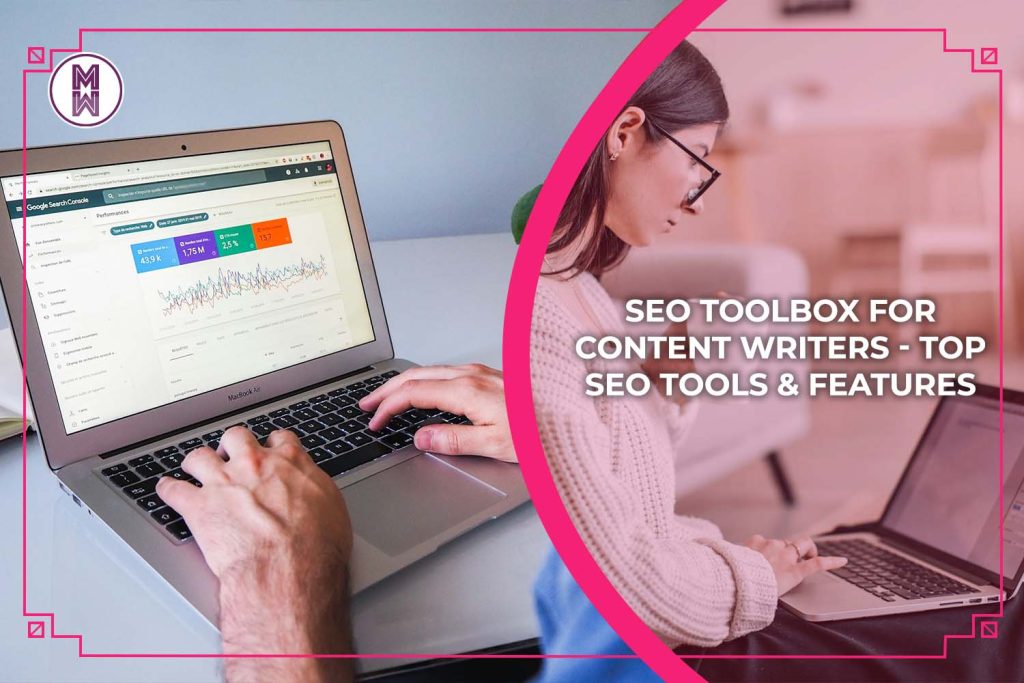
SEO Toolbox For Content Creators & Marketers – Top SEO Tools & Features

It’s estimated that by 2028, the SEO market in the UK could reach a valuation as high as £25 billion. Having a set of efficient SEO tools at hand as a blogger and marketer can help you achieve better search results and higher rankings, not only for your website but also for those of your clients. In my course “How to create SEO-friendly content” I cover and share some of the SEO tools I use, including how I use them to strategically utilise relevant keywords that I have researched. You can also watch how Fernando and I find the best keywords to embed in an article so it ranks quickly and effectively: In this article, I want to help you identify an SEO tool that will work best for you. Try a search for an online tool that can help you perform search engine optimisation. You’ll find too many to count, literally. Don’t let the overload of choices weigh you down. I’ve done the hard yards and can save you hundreds of hours of search, trial, and frustration. The first step I took was to make a list of the functions that I needed my SEO tools to perform. After that, I went on to choose the tools for my SEO toolbox as I already had a clear idea of what kinds of SEO tools and features I wanted. Checking Your SEO Needs Be it a professional website, a blog, or an e-commerce site, there are some basic functions that the tools in your SEO toolbox must be able to perform. These include: Analyse the performance and functionality status of your website. Ensure that content is optimised for better web visibility Compare the site performance with competing sites. Track visibility on social media and platforms to monitor the web traffic. Check backlinks and plan link building. My SEO Toolbox – What’s in it? You don’t need complex and time-consuming software. Simple and small tools can easily perform SEO as well as their complex and often expensive counterparts. Have a look at what I’ve included in my SEO toolbox. The listed SEO tools allow me to perform the required optimisation whenever I need to, without burning a hole in my pocket. Because if you’re just starting out as a blogger or marketer for the web, you won’t be in a position to pay for expensive tools yet. But you still want to create content that is popular on search engines like Google. So the below SEO tools may not be completely free, but some offer certain features for free or they are at the lower end of the scale and many offer free trials to test them as well. Disclaimer: The listed SEO tools are ranked based on their average ratings from higher to lower. All the information provided was correct at the time of this publication but may be subject to change.   1. Google Analytics I mainly use this tool to analyse Google data and as a website owner, you will have free access to Google Analytics once your website is submitted and indexed. I also use it via the seekahost.app to check all my blogs hosted there and their analytics. Pros: Google Analytics offers detailed insights into your website’s traffic patterns, top-performing content, and visitor behaviour over time. Because of its intuitive interface, monitoring performance and evaluating optimisation efforts are simple and accurate. Cons: It only covers Google searches, not other search engines like Bing. Plans: Google Analytics offers a free version with essential features for tracking website traffic and user behaviour, including real-time reporting, custom reporting, audience analysis, conversion tracking, and attribution modelling. Google Analytics 360, the premium version, starts at $50,000 per year and provides enhanced data processing, more customisation options, advanced integrations, dedicated support, faster data freshness, higher limits on custom dimensions and audiences, unsampled explorations, and guaranteed service level agreements (SLAs) for data collection and reporting. Ratings & Reviews: 4.5 out of 5 with 6427 reviews on G2 2. SEMRush Semrush is a comprehensive tool I use for keyword research, competitor analysis, and SEO strategy. I also use it to manage my socials as these increasingly impact SEO. Its advanced features help me gain data-driven insights to finalise my upcoming content strategy. Pros: Semrush offers access to over 26 billion keywords and 43 trillion backlinks, delivering accurate data directly from top search engines. Semrush allows you to understand your competitors’ strategies and explore their keywords & backlinks, uncover new opportunities, and gain insights to enhance your approach. Semrush can identify broken links, and orphan pages, and protect your website from spam link attacks. Cons: Switching between dashboards presents a difficult learning curve for novice users. Plans: Semrush offers three main plans for different business needs. The Pro Plan at $139.95/month provides essential SEO, PPC, and research tools, including keyword research, competitor analysis, backlink analysis and website audits. The Guru Plan, priced at $249.95/month, includes all Pro features plus the multi-location tracking, Content Marketing Toolkit, Looker Studio integration, and historical data. For larger businesses, the Business Plan at $499.95/month adds advanced features such as API access, Share of Voice, free migration from third-party tools, and extended limits. For local businesses, Semrush offers Local Essentials and Local Advanced plans at $50 and $60/month respectively, designed to manage business listings, enhance local visibility, track local rankings, and optimise Google Business Profiles. The Semrush Trends plan, at $289/month per user, delivers consumer insights through tools like Traffic Analytics, Market Explorer, and EyeOn, providing detailed traffic data across 190+ countries. Additional users can be added for $45–$100/month, depending on the plan, and various add-ons are available, such as Semrush Social for $29.99/month to manage social media accounts, Social Content AI for content creation, and the Agency Growth Kit ranging from $69 to $249/month, designed to support agencies with CRM, lead generation, and client reporting tools. For AI-driven content analysis, ImpactHero is available for $200/month. Ratings & Reviews: 4.5 out of 5 with 2290 reviews on G2 3. Ahrefs Ahrefs

tailored-black-friday-promotions-tips
All posts, digital marketing, digital PR

How to Get more Clicks with tailored Black Friday Promotions

As the Senior Marketing Strategist at ClickDo, I investigate effective ways of making Black Friday campaigns successful to significantly boost sales and brand visibility. Drawing from this experience, a well-planned and personalised promotion and marketing strategy is essential. At ClickDo, I endeavour to provide tailored and unique feature and media placement opportunities for any season and any campaign. In this article, I want to share how these opportunities could be utilised for more effective Black Friday marketing campaigns. 1. Integrate exclusive Offers in our top Lifestyle Guides On many of our ClickDo Media platforms, we keep savvy shoppers informed by comparing products, services and deals. Such comparison guides are hugely popular often attracting thousands of readers monthly. You can talk to me about positioning what you offer as top choices in suitable guides to ensure your recommendations and deals are listed in high-ranking, popular guides, guaranteeing maximum exposure. Whether you like to showcase unique gift ideas alongside special discount codes to make your offers more appealing to the right buyers or you simply want to your brand mention included, it’s all down to the personalised and strategic approach that I can offer via our wide range of platforms and online magazines. 2. Combine Lifestyle Tips & Deals Creatively Offering purposeful and creative lifestyle ideas will provide valuable information, which online users are looking for via search engines or social media. By integrating your deals into our related lifestyle articles, you can inspire customers while promoting your Black Friday offers. Say your brand sells tech gadgets or smart home devices, you can showcase your product offers while highlighting their practical, everyday uses to encourage shoppers to make a purchase. 3. Ride on the Green Wave with Eco Tips & Offers Sustainability is becoming a significant factor in consumers’ purchasing decisions hence I started the greenlivingblog.org.uk where my team and I provide eco insights and tips. If your brand offers eco-friendly products or services, now is the time to promote them. You can showcase your sustainable products in combination with special deals. By emphasising environmental benefits or tips, you’ll attract eco-conscious shoppers looking to make responsible choices. 4. Conduct an exclusive Interview to share your Business Story & Offers Because consumers love to support brands with a compelling story or mission, I’ve conducted many interviews with entrepreneurs. They offer a great opportunity to share your brand’s journey, milestones, or innovations to build trust and loyalty among shoppers. With ClickDo Media I publish interviews and opinion pieces where you can include coupons or banners, helping you connect with your audience while promoting exclusive Black Friday discounts. Showcase your story through an entrepreneur interview, linking your brand values to your special deals, and highlighting your success story alongside your exclusive customer benefits and offers. 5. Announce Your Black Friday Specials in a Press Release A press release is an effective way to announce your latest business news along with exclusive Black Friday offers to generate a (seasonal) buzz. At ClickDo Media I can craft or publish impactful media releases that highlight your achievements, news, deals, new products, or brand successes. For example, a press release about a recent achievement can draw attention to your Black Friday offers while enhancing your brand’s credibility. All the above tips will additionally offer benefits such as: Crafting Compelling and Urgent Messaging that Reaches Far Working with me and ClickDo, your campaigns will create a sense of urgency through limited-time offers and countdowns, which can drive immediate action and higher traffic and clicks. Our campaigns often feature time-sensitive deals that encourage customers to make quick purchasing decisions. Utilising Multi-Channel Marketing All our published content is repurposed for our various channels—email, social media, and paid ads to maximise its reach. We design integrated PR campaigns that ensure consistent messaging across all platforms, enhancing brand exposure and engagement. Personalising Customer Experiences Personalisation increases relevance and conversion rates. By segmenting our audience and tailoring content to specific groups, we deliver more meaningful experiences that resonate with customers. Make your Brand go further each Black Friday Black Friday is the perfect opportunity to drive sales, clicks, and attract new customers. You can arrange a ClickDo media consultation with me to discuss tailored campaigns for the vast media platforms we manage, where we offer Guest Posting Services, Digital PR Services,  Press Release Publications, and social media marketing so that you can boost visibility and sales with us. Get a free consultation send your proposals over by emailing info@manuelawillbold.com or contact us via any of our service or contact pages.

halloween-marketing-and-branding-tips
All posts, digital marketing, digital PR

4 Killer Halloween Marketing & Branding Tips for a Seasonal Boost

Seasonal events like Halloween present golden opportunities for marketers to tap into the festivities and boost a brand. Like many events, Halloween can become a unique moment to engage your audience and bring a little excitement to your marketing strategy. Here’s how you can make the most of Halloween with clever marketing, branding, and digital PR strategies. 1. Website Halloween Tweaks with Fang-tastic Offers Halloween is the perfect time to give your website a seasonal twist! With just a few web design changes, you can add a spooky flair to your site to captivate visitors. Here’s how: Halloween-inspired Landing Pages: Create a dedicated Halloween landing page with special seasonal offers, discounts, or Halloween packages. You can feature spooky designs, a countdown timer until Halloween, and themed items or services. For example, fashion retailers can offer a “Creepy Collection” with fashion-forward costumes or spooky accessories. Limited-Time Halloween Offers: Run flash sales or exclusive discounts for the Halloween season. Adding creepy banners, pop-ups, or sliders with Halloween visuals (think pumpkins, ghosts, and witches) will draw attention to these offers. A sense of urgency can encourage customers to act before time runs out. Themed Website Elements: Add fun features like floating bats, hidden pumpkins for users to click on to unlock special deals, or even eerie background music. These elements can create a unique user experience that keeps customers engaged longer. 2. Killer Social Media Campaigns Social media is where the Halloween fun truly comes to life. Create engaging content that plays into the season and encourages interaction. You’ll have to be creative here and maybe use the help of AI tools to create special Halloween campaigns for your social channels. What matters is that the content engages your audience so trial eerie or funny social media videos as stories or reels. You can even turn articles into videos and shorts now with AI, which you can share across many different social channels. See how I do it for the London Business News Magazine for example: Fancy Dress Contests and Challenges: Encourage your followers to share photos of their Halloween costumes or activities. You could run a contest where the winner receives a prize (perhaps a prize for the scariest idea combined with your product or service). User-generated content like this can increase your brand’s visibility while also fostering a sense of community. Halloween Hashtags: Leverage trending Halloween hashtags like #SpookySeason, #HalloweenVibes, or #TrickOrTreat. Create your own branded hashtag, such as #SpookyDealsAt[YourBrand], to make your content easily discoverable and encourage people to engage with it. Interactive Polls and Stories: Use Instagram or Facebook stories to run Halloween polls (e.g., “What’s scarier: witches or zombies?” or “Which Halloween candy is the best?”). Interactive content like this encourages engagement, increasing your brand’s visibility on social media algorithms. At ClickDo we sometimes post questions related to our work like here: 3. Email Campaigns with Killer Savings to your Subs Your email list is one of your most powerful tools, and Halloween is the ideal time to get creative with your email marketing.- you can even repurpose your themed social media posts or ads for your newsletter as long as it will get your subscribers to click and act. Halloween-Themed Email Templates: Use Halloween-themed email designs with eerie fonts, dark colour schemes, and spooky images to catch attention. Add a playful subject line like, “Don’t Miss Out on These Spooktacular Deals!” to increase open rates. Exclusive Halloween Discounts: Send out limited-time discount codes to your email subscribers as a Halloween treat. Offering an exclusive deal just for email subscribers makes them feel valued and can increase conversion rates. Personalised Halloween Offers: If you have a segmented email list, send out personalised Halloween content. For example, based on past purchases, you can recommend Halloween-specific products or services that cater to their preferences. 4. Digital PR to Boost Your Halloween Exposure Halloween is a fantastic time for businesses to increase their online presence through creative and timely digital PR efforts. Seasonal Press Releases: Send out a Halloween-themed press release to local or industry-specific media outlets. Highlight any Halloween-themed events, product launches, or promotions. Journalists love seasonal angles, so tailor your release to offer something newsworthy. Collaborations with Influencers: Partner with local influencers or niche bloggers who are already creating Halloween content. For example, you could collaborate on a Halloween-themed giveaway or product review that highlights your brand. This partnership can give your business an authentic boost during the season with specifically tailored content and offers. Sponsoring Halloween Events: Whether in person or virtual, many communities host Halloween events such as pumpkin carving contests, haunted house tours, or trick-or-treating parades. Sponsoring these events or offering branded goodies (think branded trick-or-treat bags) will keep your business top of mind while generating goodwill. 5. Case Study: How a Bakery Used Halloween to Triple Engagement Let’s take the example of a small bakery called Betty’s that used a simple but effective Halloween marketing campaign to skyrocket its customer engagement. The bakery rebranded its products for Halloween, turning cupcakes into “Witch’s Brew” and cookies into “Mummy Munchies.” It then ran a social media contest encouraging customers to share their Halloween treats. The winner got a Halloween-themed cake, which led to over 100 user-generated photos being shared on social media, driving massive engagement and a 30% increase in website traffic. To further capitalize on the buzz, the bakery offered a special Halloween discount for email subscribers and partnered with a local food blogger to review their Halloween treats. These efforts led to a tripling of their social media engagement compared to the previous year. 6. Make Your Brand the Talk of the (Haunted) Town Halloween gives your brand the chance to showcase its fun side while strengthening your branding and boosting engagement. Whether it’s through a themed website design, a spooky social media contest, or a clever digital PR strategy, incorporating Halloween into your marketing will not only bring in more customers but also help your brand stand out in a crowded marketplace. If

role-of-video-in-personalised-marketing-campaigns
All posts, digital marketing, digital PR

The Role of Video in Personalised Marketing Campaigns in 2025

Personalised video marketing represents a transformative approach in today’s digital landscape, where generic content no longer suffices to capture the discerning consumer’s attention. Videos that are tailored to the individual’s preferences and behaviours not only foster deeper engagement but also enhance the effectiveness of marketing campaigns, leading to higher conversion rates and customer loyalty. By integrating rich, dynamic content with data-driven insights, personalized videos offer a compelling narrative that speaks directly to each viewer, making every interaction feel uniquely personal. Looking ahead, the role of video in personalised marketing is poised to expand further as advancements in technology, like artificial intelligence and machine learning, streamline the creation and delivery of customized content. These technologies promise to enhance the scalability of personalised videos, making them more accessible to businesses of all sizes. As marketers continue to push the boundaries of what’s possible within digital storytelling, video will undoubtedly remain at the forefront of innovative, effective, and highly personalised marketing strategies. Let’s discover why. The Power of Video in Capturing Attention Video content has the unique ability to capture both the eyes and ears of the audience, making it incredibly effective for quick and impactful messages. Studies show that viewers retain 95% of a message when they watch it in a video compared to 10% when reading it in text (Insivia). This high retention rate is crucial for personalised marketing where the goal is not just to reach the audience but to make a memorable impact. Enhanced Customer Experience with Personalised Videos Personalised marketing campaigns strive to offer a unique experience to each customer, catering to their preferences, behaviors, and past interactions with the brand. Personalised videos can be tailored for individuals or specific segments, enhancing relevance and engagement. For instance, video content that includes a customer’s name, references their past purchases, or is aligned with their browsing behaviors can significantly increase the likelihood of engagement and conversion. Driving Conversions with Targeted Messaging The effectiveness of personalised videos in driving conversions cannot be overstated. According to a recent survey by Vidyard, personalized video content increases the click-through rates by 985% (Vidyard, 2020). This staggering statistic underscores the potency of tailored messaging within videos to motivate viewers towards taking actionable steps, whether it’s making a purchase, signing up for a newsletter, or downloading a resource. Leveraging Data for Video Personalisation The backbone of any successful personalised video campaign is data. By harnessing data from various touchpoints in the customer journey, marketers can create highly targeted videos that speak directly to the viewer’s interests and needs. Tools and platforms that analyze user data and digital behaviours, including sophisticated video editing AI, enable marketers to craft video content that feels personal and relevant, thereby enhancing the overall marketing effectiveness. This integration of AI with video editing not only streamlines the production process but also ensures that each piece of content is optimized for individual engagement. Real-World Examples of Video Personalisation Success Several leading companies have successfully integrated personalised video into their marketing strategies. For example, Netflix uses viewing history data to create personalised trailers and video content, encouraging users to watch new shows based on their preferences. This approach not only keeps the audience engaged but also contributes to higher satisfaction and retention rates. The Future of Video in Marketing As technology advances, the capabilities for video personalisation are expanding. Artificial intelligence and machine learning are playing larger roles in automating and enhancing the personalisation process. The future of personalised video marketing looks promising, with innovations such as interactive videos and real-time content modification based on viewer responses. Challenges and Considerations While the benefits of personalised video marketing are clear, there are challenges to consider. High-quality video production at a professional podcasting and recording studio and the integration of data-driven personalization require significant resources and technological expertise. Moreover, maintaining privacy and managing large volumes of data securely are critical to gaining and retaining consumer trust. Conclusion Personalised video marketing is transforming how brands connect with their audiences, offering a compelling blend of entertainment, information, and personal touch. As the digital landscape becomes more saturated, videos that cater to the specific needs and interests of the audience will stand out, making personalisation not just beneficial, but essential for marketing success. In the world of personalised marketing, video is not merely a tool but a critical strategy for creating deeper connections with consumers, ensuring that each interaction is not just seen, but felt and remembered.

best-no-code-development-tools
All posts, Blogging, Web Designing

Top 7 No Code Development Tools to Design a Website Quickly

Are you a rising entrepreneur or a small business owner looking to create a wonderful website with hassle-free coding? No need to look further! In today’s digital realm having a strong online presence is necessary to attract your target audience and improve business growth. For this, you don’t need to be a tech wizard to build a professional website as the introduction of no-code development tools has revolutionised the web development landscape. In the 21st century, being a woman doesn’t mean you need to stay at home and do the household chores only, but nowadays women empower and enrich themselves and become entrepreneurs, launch their businesses into a higher online presence with these no-code development tools. Thus, it empowers individuals and businesses to design beautiful, functional websites without writing a single line of code. According to recent studies, the global no-code development platform market is predicted to reach unsurprisingly $65 billion by 2027, highlighting the huge potential of these no-code development tools. The increasing demand for quick, efficient, and cost-effective website development solutions drives this rapid growth. In this article, we’ll highlight the top 7 no-code development tools that help you design websites quickly and effortlessly. Whether you’ve just bought a domain and want to build a website quickly or you want to grow your website portfolio, these tools provide a user-friendly interface and a wide range of features to fulfil your needs. So, let’s delve into the world of no-code website development. Disclaimer: Our recommendations are based on the pricing, pros, cons, and extra facilities offered by the no code tools listed. The information provided here was correct at the date of publication but may be subject to change. The list is arranged as per the customer’s ratings and reviews, from higher to lower. Top 7 No Code Development Tools to Design a Website Quickly 1. GoDaddy GoDaddy is a comprehensive no-code solution for quick website creation. As one of the largest domain registrars globally, it offers easy website-building services without prior knowledge of coding. It makes GoDaddy one of the suitable options for designing a simple website in less time. To build a website with GoDaddy, no technical skill is required. After the signup process, the website builder will offer you several professionally designed, ready-to-launch templates. There you can customise your texts and images and you are good to go. Pricing: The basic plan starts at £7.99/month and you can upgrade to the Standard plan at £9.99/month, the Premium plan at £11.99/month, or the E-Commerce plan at £13.99/month. Ratings & Review: 4.6 stars out of 5 with 1 million Customer reviews on Trustpilot. Key features: Email marketing tools enthral your audiences. Users can choose from 100+ templates to design a website without technical skills. There are free professional images which you can choose for your website. There are fewer security concerns because of simple updates. Pros: Easy-to-use site builder tool. Free domain registration for the first term. 24/7 customer support. 9% uptime. Cons: No free site transfer. Numerous upsells. High renewal rates. Best for: integrated e-commerce and marketing features. 2. Hostinger Hostinger is a website hosting tool that helps in website building without the experience of coding. It offers integration with AI tools at the most reasonable price on the market. It creates a website in 3 easy steps without any coding. Firstly, AI generates a unique website or picks from a fully customisable template. Then customise your website with a simple drag-and-drop feature, without coding or web design skills, and lastly select the perfect domain name for your business and launch your brand new website. It simplifies the process of website building, allowing users to design their sites within a minute. Pricing: Hostinger has two types of pricing plans such as: Premium Website builder plan starts from £59/month. It has 48 months tenure and 3 months free. The renewal cost is £5.99/month. The Business Website Builder plan starts from £3.79/month. The tenure is 48 months and 3 months free. Renewal cost is £8.99/month. Ratings & Review: 4.6 stars out of 5 stars with 32k customer reviews on Trustpilot. Key Features: It is an all-in-one platform. This no-code development tool offers 24/7 customer support via live chat or email. Using tools such as AI Logo maker, writer, blog generator, and heatmap simplifies the website development process. Hostinger provides quick setup and run of the eCommerce website with marketing integration and support for 20 global payment methods. More than 150 templates and a user-friendly drag-and-drop feature make Hostinger mobile-friendly. You can monetise your websites by displaying targeted ads, and chats with customers directly and make business decisions strategically. The multilingual feature helps you to communicate smoothly. Pros: Free Domain (£99 value) 24/7 customer support. Website builder and web hosting included. Affordable pricing. Desktop and mobile editing facility is given. Cons: There is limited customization. Users can only do basic header customization. Live chat facilities are available to only higher-level plans. Basic plans have limited advanced features. The steeper learning curve for beginners. Best for: Small businesses and freelancers looking for easy and reasonable professional website creation. 3. WordPress+Divi Divi is one of the most powerful website builders and themes for WordPress. WordPress consists of more than ⅓ of all websites and is considered the most versatile content management system. Although WordPress has many themes that help to design a website, Divi has the top choice themes for no-code web design. With the help of Divi AI, you can and design a page within a blink of an eye. All you need to do is curate a new page on WordPress and choose to edit the Divi Builder. Then give Divi AI a page and website description and get stunning pages. With the help of DiviCodeAI, noncoders just give a prompt and DiviCodeAI will write the code for you. Pricing: You can try Divi risk-free for 30 days and after that, you can switch to the following plans at any time: DIVI is for website owners and WordPress pros

marketers-guide-to-virtual-marketing.
All posts, digital marketing, digital PR

A Marketer’s Guide to Virtual Marketing

As digital marketers, we must acknowledge the transformative power of technology on consumer interactions and swiftly adapt to the virtual world to maintain relevance. In today’s landscape, simply relying on websites is insufficient; success demands embracing emerging technologies and mastering the ever-changing social media scene. Virtual marketing presents brands with unparalleled opportunities for expansion and engagement in the contemporary digital environment, making it imperative for marketers to grasp and leverage its potential. Join me as I delve into the world of virtual marketing, understanding its critical role in the modern era, dissecting its key components, and envisioning future possibilities. Together, let’s pave the way for enduring brand success in 2024 and beyond. What is Virtual Marketing  Virtual marketing, or digital marketing, encompasses a broad range of marketing activities conducted through digital channels, primarily the Internet. It leverages various online tools, platforms, and data to establish brand presence, engage with target audiences, and drive business growth. Marketers tailor messages and campaigns to specific demographics, interests, and behaviours, maximising relevance and effectiveness. Significance Of Virtual Marketing for Marketers As digital marketers, we recognise the paramount importance of virtual marketing in today’s digital era, offering myriad advantages over traditional marketing methods. Here’s why it’s indispensable to our strategies: Measurability: Virtual marketing provides precise campaign performance metrics such as engagement levels, website traffic, and conversion rates, empowering us to gauge ROI effectively. Affordability: In comparison to traditional methods like print or TV advertising, virtual marketing offers a more cost-effective solution, catering to businesses of all sizes, including startups and small enterprises. Speed: With virtual marketing, we can swiftly launch campaigns and make real-time adjustments based on performance data, allowing us to respond promptly to market trends and consumer behaviours. Engagement: Digital platforms offer diverse opportunities for us to engage with our audience through personalised messaging, interactive content, and social media interactions, nurturing stronger connections and brand loyalty. Global Reach: Virtual marketing enables us to reach a global audience, transcending geographical boundaries and expanding market reach beyond conventional limits. Mobile Accessibility: As the majority of internet users access content through mobile devices, virtual marketing ensures our accessibility to consumers anytime, anywhere, enhancing convenience and reach. Direct Communication: Through virtual marketing channels, we can communicate directly with consumers, soliciting feedback, addressing concerns, and nurturing relationships, thus fostering trust and loyalty over time. Monitoring and Optimisation: Virtual marketing facilitates real-time campaign performance monitoring, empowering us to make data-driven decisions and optimise strategies for enhanced results. Authority and Reputation: Sustained virtual marketing efforts help us establish authority in our niche and cultivate a positive reputation among our target audience, bolstering credibility and trustworthiness. Types Of Virtual Marketing Virtual marketing encompasses various strategies and techniques, offering marketers a wide range of tools to engage audiences in the digital world: 1. Content Marketing Content marketing emerges as a potent approach to elevate brand visibility and foster lasting customer connections. Brands can captivate and retain the attention of their intended audience by disseminating insightful content and compelling narratives. Content includes blog posts, newsletters, social media copy, case studies, whitepapers, and news articles. The key is to ensure that content is clear, concise, and compelling to engage readers effectively. Consistently publishing valuable and relevant content is essential for success, as statistics show that consumers often consume multiple pieces of content before making purchasing decisions. You can click on my YouTube video link to learn the hot tricks of creating SEO-friendly content. To learn more about some of the best guest posting and blogging sites for publishing your content, click here.  2. Search Engine Marketing (SEM) SEM, or Search Engine Marketing, is a crucial aspect of virtual marketing that directly targets consumers based on their online search behaviour. It encompasses organic methods, such as Search Engine Optimization (SEO), and paid strategies, such as Pay-Per-Click (PPC) advertising.  At ClickDo we share more about our work for SEM on our YouTube channel: Paid SEM involves purchasing ad space on search engine results pages (SERPs), ensuring visibility for your webpage above organic search results. This paid approach allows businesses to bypass the gradual process of organic ranking improvement and instantly place their website at the top of search results. Additionally, paid SEM can be applied to social media platforms, further expanding the reach of advertising efforts. 3. Search Engine Optimisation (SEO)  As the cornerstone in digital marketing, SEO aims at enhancing a business’s online presence and positioning within search engine results pages (SERPs), notably on the initial page of Google. Elevated rankings draw increased traffic to your website, consequently boosting the chances of user interaction with your offerings.  SEO marketing involves various techniques to enhance a website’s search engine ranking. This includes strategically deploying keywords in content, building a solid internal and external link structure, and optimising website indexing for search engine analysis. I discuss this in more depth with SEO consultant Fernando at ClickDo: 4. Social Media Marketing  Social media marketing (SMM) leverages social media platforms such as Facebook, Instagram, TikTok, Twitter, and LinkedIn to promote products and services through engaging content rather than just paid advertisements. This content, which can include product reviews, testimonials, memes, infographics, and educational materials, aims to provide value and entertainment to the audience.  The ultimate goal is to cultivate a sizable following that can be directly marketed to. Building a following on social media takes time and requires consistent production of relevant content that resonates with the target audience. Social media marketing is often complemented by social media advertising to accelerate audience growth and foster loyalty. 5. Pay-per-click (PPC)  Also known as PPC marketing, this strategy involves placing targeted ads on search engines and presenting valuable offerings to consumers. These ads are highly relevant and tailored to the user’s search intent, leading to increased click-through rates (CTRs). 6. Email Marketing  Skilled email marketers excel at crafting compelling campaigns, often through e-shots or newsletters, that pique interest and drive engagement. They possess the expertise to reach new audiences, analyse data, and derive actionable insights for future campaign enhancements. Email

how-to-successfully-create-and-sell-online-courses-2.
All posts, Make Money Online, Remote Work

How to Successfully Create and Sell Online Courses

Creating and selling courses online is now not only affordable but also an extremely effective way to position yourself as an expert in your niche. The Internet has long opened unlimited opportunities for us. So, why not use it to share your knowledge and skills with the global community? However, success in this endeavour increasingly requires not only high-quality material but also a strategic approach to its creation and course marketing. That is why it is important to know and be guided in what is needed to create your own online course successfully and market it. Course Concept Creation The first thing you need to do when you create a digital course is to clearly define its concept and the ultimate goals that the user will achieve. Therefore, you need to: clearly define your target audience, research your TA thoroughly. This will help determine their needs and expectations from the course. According to the data obtained, determine: the topic of the course, what subtopics it will consist of, the format of the workshop, the level of complexity of the course, perhaps it will have several variations in terms of difficulty levels. Course Content Creation and Technical Considerations 1. How to Make a Course to Sell Develop a detailed course plan, including all the necessary subtopics and materials. It is vital to keep in mind the variety of content formats. It can be both video lessons and text materials. As well as tests, assignments for independent work, etc. Regardless of the format, it is essential to organize all this in a way that is not overloaded with information and at the same time provides comprehensive material on the key topic. To do this, divide the course into blocks and sub-blocks. If possible, add relevant visualizations and graphic elements to highlight key points. It is crucial that they are relevant to the topic and do not overload it. Likewise, they should not draw attention to themselves, but rather be a logical complement to the main material and help it to be understood more easily. It is not uncommon to find yourself needing to record the screen when you are explaining something to your audience. You may also want to insert certain moments from the current online recording into a future course. To do this, you will need to choose the best screen recording software. This is often a key element in creating high-quality content for your online course. For Mac users, apps to screen record on Mac, like QuickTime Player, Camtasia, and ScreenFlow, offer excellent opportunities to create professional video tutorials. Other screen recorders for Mac include OBS Studio, Screencast-O-Matic, and others. They will help you create video tutorials that will be of high quality. It will also emphasize your professional approach to the business. 2. Platforms for Hosting Choosing a platform to host a workshop is an equally important step after course creation. The most trusted course platforms are those that have already proven themselves and continue to be very popular. These include Udemy, Coursera, and WordPress-based LMSs. Whichever platform you choose, take your choice seriously, considering your capabilities. Before choosing, pay attention to the commissions, marketing opportunities, and functionality of a particular platform. Marketing and Promotion of the Course Creating a course is only the first step. Next, you place it on a certain platform. However, selling courses online requires effective marketing and promotion if you want to make your training programs popular. This is equally critical for attracting an audience. Use social media and advertising. Don’t forget to collaborate with influencers to promote your content. 1. Advertising Online advertising is a super effective way to attract new participants to your course. You can use a variety of platforms to run ads. These include Google Ads and Facebook Ads. It can also be LinkedIn Ads. It is essential to set up your ad campaigns correctly. To do this, consider: your target audience, your budget, the goal of the campaign. 2. Using social media Social media has proven to be a powerful tool for promoting businesses regardless of their size. The same can be true for your course. Create a course page on popular social networks. Instagram, Facebook, LinkedIn, Twitter. Post engaging content that will attract the attention of your future audience. It can be: short videos, quotes from the course, announcements of upcoming webinars or promotions, etc. 3. Collaboration with influencers Collaborating with bloggers and other influencers can help bring additional, needed attention to your learning program. That is why you should try to look for personalities who have a large audience in your niche and are ready to recommend your course to their subscribers. This can be through promotional posts or joint projects. 4. Analysis and Improvement Never forget to analyse the results of your marketing strategy. Otherwise, you can’t improve it. Use analytical tools and determine the effectiveness of each promotion channel. This way, you can adjust your actions in time to achieve the best results. Closing Thoughts Creating and selling online courses is a promising trend in modern society and, accordingly, in the contemporary educational process. Given the vast possibilities of the Internet and the growing demand for quality education, a successful course can become not only a source of profit but also a tool. A tool for development and influence. For that, we sincerely wish you success in this field and inspiration to create high-quality material.

ways-to-boost-a-brand-with-coupon-marketing
All posts, digital marketing

10 Ways to Boost a Brand with Coupon Marketing

Coupon marketing has emerged as a leading tool for branding and lead generation. The escalating challenge of decreasing brand loyalty among shoppers further complicates the landscape, prompting marketers to leverage discount coupon codes as a means of retaining consumers to a certain extent. With 90% of consumers using coupons, it’s clear that there’s a strong demand for deals. Digital coupon redemptions are expected to surpass $90 billion by 2022, highlighting their growing importance. Additionally, 63% of shoppers express a desire for more accessible coupons, and emails featuring coupons see a significant revenue increase of 48% per email. However, it’s important to be aware of potential downsides. Over-reliance on coupons can diminish a brand’s perceived value, and regularly offering discounts may lead to delayed and less profitable sales. Moreover, prominently displaying coupon codes during checkout can contribute to higher cart abandonment rates. Utilising coupon codes in marketing strategies offers numerous benefits for brands, aiding in customer retention and engagement in a competitive marketplace. First Things First – What is Coupon Marketing? Coupon marketing campaigns serve various purposes, offering a straightforward approach to building brand recognition, especially when entering new markets or launching a business. Additionally, coupons effectively attract new customers and facilitate their conversion into loyal patrons. This article delves into the rationale behind employing coupon marketing campaigns, providing insights into effective deployment strategies. Furthermore, it highlights key considerations to avoid potential pitfalls and ensure the campaign contributes positively to business growth. Shoppers are drawn to savings, making coupons and discount codes a compelling tool for digital marketers introducing new customers to products or services. 10 Top Coupon Marketing Strategies to Boost Your Brand Value and Sales: Coupon marketing is a powerful tool for marketers looking to attract new customers, retain existing ones, and boost overall brand awareness. As a marketer, I understand the significance of special offers in sales and lead generation. It can enhance a brand’s presence and appeal so below I list the best ways to leverage coupon marketing strategies: 1. Partner with Top Coupon Sites Collaborate with popular coupon sites to feature your discounts and offers. This increases visibility and drives traffic to a brand. In the past, coupons in the UK predominantly targeted grocery items, but today, the range of categories has significantly broadened. Top UK coupon websites now offer vouchers applicable to a diverse array of products and services. These coupons can be utilised for various purposes, spanning from web hosting packages to entertainment and beauty treatments, among others. Several platforms offer access to over 24,000 brands and more than 100,000 coupon codes, allowing users to take advantage of the most competitive cashback and commission rates available. 2. Plan Exclusive Deals While spur-of-the-moment deals may create initial excitement, meticulously planned ones sustain long-term interest. An actionable step involves crafting a 12-month forecast of potential deals, and strategically aligning them with notable dates and industry events. For instance, in the electronics sector, integrating offers around tech events can provide a significant advantage. Research indicates a substantial demand for deals, with nearly 60% of consumers visiting coupon websites every week, or even multiple times daily. By preplanning deals, businesses can consistently provide fresh and enticing offerings to cater to this eager customer base. 3. Utilise Digital Coupons Effectively Coupons hold significant value for e-commerce platforms as they serve as catalysts for customer action. Particularly, new or emerging brands stand to gain considerable advantages from offering coupons. According to research conducted by Inmar Intelligence, 54% of shoppers are inclined to purchase from a new brand due to its cost-effectiveness, with approximately one-third being influenced by digital coupons. By implementing an effective coupon email marketing strategy, marketers can target customers in their preferred online spaces by email for example. By leveraging factors like relevance, timeliness, and perceived value within coupon email campaigns, marketers can effectively enhance exposure and drive customer engagement to product or service pages. 4. Combine Seasonal and Event-Based Promotions Utilising a promotional calendar allows for strategic timing of promotions to achieve optimal impact, aligning them with holidays, special occasions, or seasonal trends. Customising a marketing timeline based on targeted events, whether it’s Boxing Day for UK customers or Lunar New Year for buyers in Asia, enhances effectiveness. It also increases brand engagement especially on social media as you can see in one of the posts I’ve designed for the londonbusinessnews.com magazine in our London Life FB page to encourage more people to read our articles: For instance, when planning sales like Black Friday or Valentine’s Day, ensure to distribute discounts and coupon codes via social media and email to effectively promote what you offer in connection with the event. 5. Leverage Social Media Another effective tactic to enhance your coupon marketing strategy involves promoting new products and discounts through social media channels. With billions of users active on platforms such as Instagram, Facebook, and Twitter, incorporating regular discount sharing into your strategy is essential. Nonetheless, caution should be exercised to avoid excessive coupon usage. Constant sales may diminish the perceived value of your products, potentially leading your audience to view your coupon strategy as merely a ploy to acquire more emails or followers through lead magnets. It’s important to link your discount offers with events or compelling reasons and to utilise not only your social media channels but also groups and topical pages as I showed above. On top of that, you can also run paid social media ads for your discount campaigns where you can target very specific groups. 6. Strategic Email Segmentation Segmenting your email list according to behaviour, interests, and purchase history enables the creation of targeted coupon campaigns for each subgroup. To implement this strategy effectively, review your CRM data to discern customer trends and utilise insights garnered to craft personalised offers using email marketing tools. Tailoring discount coupon emails not only enriches the customer experience but also boosts conversion rates. Furthermore, consider incorporating coupon links into various types of emails, including signup or subscription confirmation emails, promotional content, and other

top-niche-and-omnichannel-marketing-tips
All posts, digital marketing, SEO copywriting

5 Effective Ways to Utilise Niche Marketing & Omnichannel Marketing

Niche marketing is a strategy that focuses on a specific segment of the market that has a high potential for growth and profitability and I share more about it in this niche marketing guide. Today’s customers want personalized experiences, which study results by Accenture show where they found that over 91% of consumers prefer shopping with brands offering relevant deals. Niche marketing in combination with omnichannel marketing can help a brand stand out from the competition, attract loyal customers via the right channels, and increase brand awareness. However, it also comes with some challenges, such as focusing on the right niche, creating relevant and effective content, and reaching the key target audience. As a digital marketer and SEO copywriter I share marketing tips based on my experience as a blogger and media strategist working with ClickDo and SeekaHost, two innovative digital businesses in the UK. So, let’s delve in. Tip #1: Conduct thorough keyword research Keyword research is the foundation of any successful niche marketing campaign. You need to find out what your potential customers are searching for online, what their pain points are, and what kind of solutions they are looking for. You can use various SEO tools, such as Google Keyword Planner, Ubersuggest, or SEMrush, to discover relevant keywords for your niche. Analyse your competitors’ keywords and see what gaps you can fill in the market. Once you have a list of keywords, you should optimize your website content, blog posts, and social media posts for them. This will help you rank higher on search engines and drive more organic traffic to your website. Tip #2: Create engaging and informative content for multiple channels Content is the key to building trust and authority in your niche. You need to create content that showcases your expertise, provides value to your audience, and solves their problems. You can use different formats of content, such as blog posts, guest articles, press releases, eBooks, podcasts, videos, social media posts or infographics, depending on your niche and audience preferences. Use storytelling techniques to make your content more engaging and memorable. For example, you can share your personal experiences, case studies, success stories, or customer testimonials to illustrate your points. You should also include clear calls to action in your content to encourage your readers to take the next step. I share more tips on lifestyle branding via marketing channels here: Tip #3: Expand your online presence with social media and email marketing Social media and email marketing are two powerful ways to connect with your niche audience and grow your online presence via additional channels. You should use social media platforms that are relevant to your niche and where your audience hangs out. For example, if you are targeting young professionals, you might want to use LinkedIn or Twitter. If you are targeting visual learners, you might want to use Instagram or Pinterest. Create a consistent brand voice and style tailored to all your social media channels. You should post regularly, interact with your followers, share valuable and unique content, and join niche-related groups or communities. Email marketing is another effective way to nurture your leads and convert them into customers. You should build an email list by offering freebies, exclusive deals or incentives via own your website or blog or even other websites where you can gain more exposure. You should then send them personalized and relevant emails that offer more value, build trust, and persuade them to buy from you. Establishing a loyal followership via all your channels will ensure that your brand continues to be visible and interacted with. Tip #4: Collaborate with influencers and experts Influencer marketing is a strategy that involves partnering with influential people in your niche who have a large and engaged following. Influencer marketing can help you reach a wider audience, increase your brand awareness, generate more leads, and boost your sales. However, you need to choose the right influencers for your niche marketing campaign. Look for influencers who have a similar target audience as yours, share similar values and goals as yours, and have a high level of trust and credibility among their followers. You should also negotiate a fair compensation and set clear expectations and goals for the collaboration. You can ask the influencers to promote your products or services, create sponsored content for you, or co-create content with you. Tip #5: Monitor and measure your results The last tip for niche marketing via different channels is to monitor and measure your results regularly. You need to track various metrics, such as website traffic, social media engagement, email open rates, click-through rates, conversions, sales revenue etc., to see how well your niche and omnichannel marketing campaign is performing. Use analytics tools such as Google Analytics or Clicky Analytics to analyse your data and gain insights into your audience behaviour patterns preferences etc. You should then use this information to improve your niche marketing strategy accordingly. Test different elements of your campaign to see what works best for your niche audience. See how I do this for websites I manage here: Closing Thoughts Niche and omnichannel marketing combined is a great way to differentiate yourself from the competition and grow your online presence. However, it requires a lot of tailored research, planning, creativity, and execution. You need to find the right niche and channels, create relevant and engaging content tailored accordingly, reach, and connect with your target audience, collaborate with influencers and experts, and monitor and measure your results. By following these five trending niche and omnichannel marketing tips for digital marketers and SEO consultants, you can achieve success in your niche and omnichannel marketing campaign. If you need any help with niche marketing or any other aspect of digital marketing, you can contact me or the team at ClickDo or SeekaHost. We have the expertise and experience to help you grow your online presence and business in any niche.

Scroll to Top