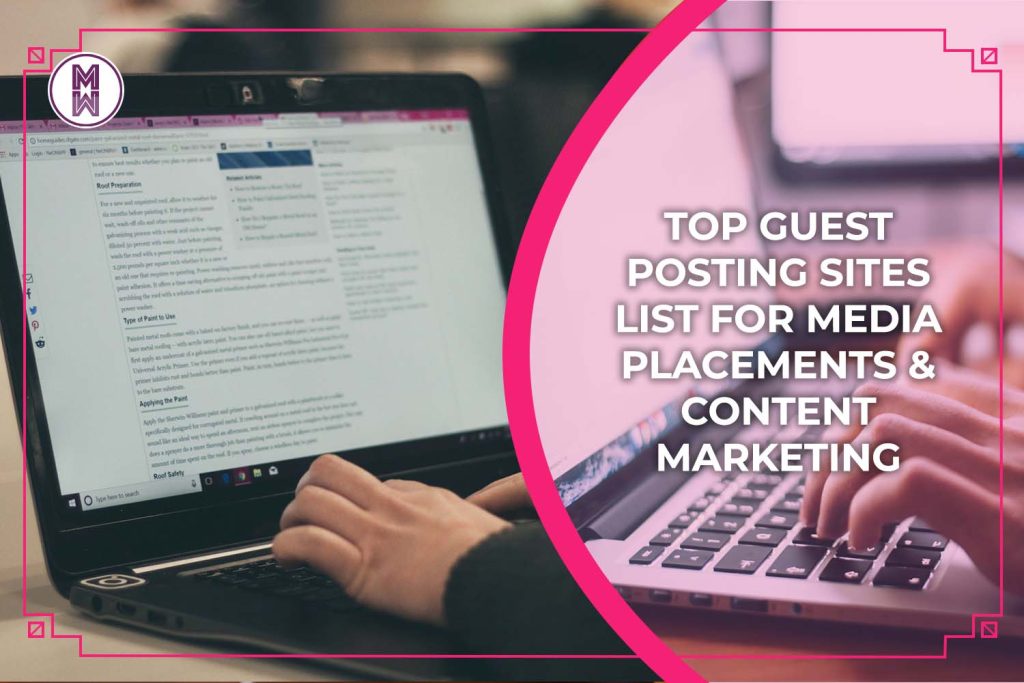
50 Top Guest Posting Sites List for Media Placements & Content Marketing
Guest posting and media placement services help anyone with a website or brand to get their content published on other websites for references with backlinks, which are the ultimate gateway to increased exposure and lead generation. Authority references through media placements also help with ranking a website higher on Google and other search engines and many SEO experts have shown how guest posting helps them rank their websites higher, like top London SEO agency ClickDo, who have also published an in-depth guide about guest blogging. How does Guest Posting with Media Placements work? Search engines use backlinks to establish the quality of web content. When it comes to ranking higher in search engine results pages, the search engine mechanism lists websites and web pages or posts higher for a search term that authoritative websites have linked to as a reference to declare their trust. Guest blogging and media placements enable you to take control of this process and generate backlinks on relevant websites that are of high quality and that you and your readers trust (as well as the search engines). SEO expert Fernando Raymond and I discuss this topic in more depth in this video: Why should you use Guest Posting & Media Placement Services? You probably found this list post while searching via a search engine, and it ranks for the search term you have entered. You can check the backlinks with SEO tools such as Ahrefs, but when you set up a website with seekahost.app, you can connect your website and account with Clicky to see which of your content gets the most organic search traffic for which terms, indicating what ranks well. To establish impactful web references Strategic guest blogging helps you get referencing links and with a strategic approach, this can make a huge difference to your website’s performance. That is why guest posting with effective media placements matters and many SEO and marketing professionals look for guest posting opportunities in their or their client’s niches. I work with them daily to facilitate the most suitable media placements and I highlight how my collaborations and content help with the growth of the ClickDo websites I manage in this video: To make your content reach further The websites you find in this list offer guest publication and media placement options for anyone who pitches professionally written articles that offer relevant valuable insights and expert tips. However, it is important to get the pitch right and to choose the most suitable websites carefully to achieve the best outcomes with the guest blogging campaign. The below guest posting websites list will guide you through the platforms where we at ClickDo offer our clients media placement opportunities in different formats. We have established strict guest posting rules and guidelines that are in line with search engine guidelines so only high-quality and relevant written content can get published here to ensure that these platforms are successful, attracting thousands of visitors monthly with a higher domain authority. Only then will our clients get an ROI back, so the content quality is key here. To get published with the most effective Publications We have seen many media platforms getting deindexed on Google due to publishing duplicate or poor-quality content or following black hat SEO techniques such as “link-sticking”. Nobody benefits from such practices and only informative and well-researched SEO-optimised content can win. So, we make sure that only suitable guest content that meets our guidelines will go live to benefit our readers and clients. You can learn more about SEO content writing and blogging via expert SeekaHost university courses, if you want to understand such dynamics better. Choosing the media platforms that are most suitable for your content to be published is key when it comes to guest blogging. The below list will inform you about the ClickDo platforms where we offer guest publications. I have added the domain authority for your reference, but what really matters is relevancy and context. Often, these sites grow and gain higher authority over time, so it is worth getting published on as many as possible to extend your online reach in the future. Disclaimer: The information shared in this post was correct at the time of publication but may be subject to change. The list below has been arranged according to the domain authority of the media platforms from higher to lower. Top 50 Guest Posting Platforms List for Media Placements Top Business Magazines Many are likely to blog about business-related topics, so we start off with a selection of high-quality business online magazines to get featured in, reaching a suitable audience. 1. ClickDo Blog Website: https://www.clickdo.co.uk/blog/ The ClickDo Blog stands out as a vital resource for digital marketers and entrepreneurs looking to expand their knowledge in SEO, digital marketing strategies, and online business development. The blog features in-depth articles, case studies, and expert tips that cover a broad spectrum of topics essential for online success. From the latest SEO techniques to effective content marketing strategies, the ClickDo Blog provides readers with the insights they need to thrive in the competitive digital landscape. Domain Authority: 60 2. ClickDo Business News Blog Website: https://www.clickdo.co.uk/business-news/ ClickDo’s Business News Blog covers everything to do with business. Whether it’s business finance, regulation, law, technology, or management – whatever you are a business expert in, you can share with this established business community. Domain authority: 60 3. ClickDo Home Business Blog Website: https://www.clickdo.co.uk/home-business/ Remote work and working from home have become the new normal, especially since the last Covid pandemic. The Home Business Blog therefore covers emerging trends, concepts, and news surrounding this growing topic and welcomes expert insights and opinions to share with the remote work community. Domain authority: 60 4. ClickDo Internet Marketing Blog Website: https://www.clickdo.co.uk/internet-marketing/ This is the go-to blog for marketers to share their insights and news with the Internet marketing community. ClickDo’s business marketing tips are renowned and trusted, and getting published on the Internet Marketing Blog gives a massive credibility and SEO boost